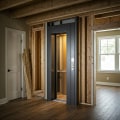
As homeowners seek to enhance their living spaces, residential elevators have emerged as a practical and luxurious solution. These elevators are designed specifically for private residences, offering a convenient way to navigate multi-story homes. With various types available, including hydraulic, pneumatic, and cable-driven systems, homeowners can choose an option that best fits their needs and architectural style. Each type comes with its own set of advantages, making it essential for potential buyers to understand the differences before making a decision. The benefits of installing a residential elevator extend beyond mere convenience.
For families with young children or elderly members, these elevators provide a safe and accessible means of moving between floors, reducing the risk of falls and injuries. Additionally, they can significantly increase the value of a home, making it more appealing to future buyers. As the demand for accessibility in homes grows, having a residential elevator can set a property apart in a competitive real estate market. Moreover, the integration of modern technology in residential elevators has led to enhanced safety features and energy efficiency. Homeowners can now enjoy the luxury of vertical transportation while also being mindful of their environmental impact.
Understanding these aspects is crucial for anyone considering the installation of a residential elevator, especially when exploring potential tax credits or incentives that may be available to offset installation costs.
Tax Credits for Home Modifications
When considering the installation of a residential elevator, homeowners may be pleased to learn that there are various tax credits and incentives available for home modifications. These financial benefits can significantly offset the costs associated with enhancing accessibility in the home.Tax Credits for Home Modifications
Homeowners can explore several tax credits aimed at improving accessibility and safety within their residences. The most notable among these is the Medical Expense Deduction, which allows individuals to deduct certain home improvement costs if they are deemed medically necessary. This can include the installation of a residential elevator if it is prescribed by a medical professional to assist with mobility issues.
Eligibility Criteria
- The modification must be primarily for medical care.
- The expense must exceed 7.5% of your adjusted gross income (AGI) to qualify for deductions.
- Documentation from a healthcare provider may be required to substantiate the need for the elevator.
These programs can vary widely, so it’s essential for homeowners to check with their local government or tax authority for specific details.
Residential Elevator Tax Credit
While there is no federal tax credit exclusively for residential elevators, the aforementioned medical expense deduction can serve as a valuable resource. Furthermore, homeowners should keep an eye on potential legislation that may introduce new incentives aimed at promoting accessibility in residential properties.In conclusion, while direct tax credits specifically for residential elevator services may be limited, various home modification tax credits exist that can help alleviate some of the financial burdens associated with these essential installations. Homeowners are encouraged to consult with a tax professional to explore all available options and ensure they maximize their potential savings.
Federal Tax Incentives for Accessibility Improvements
When considering the installation of a residential elevator, homeowners may be pleased to learn about various federal tax incentives designed to promote accessibility improvements. These incentives can significantly offset the costs associated with making homes more accessible, particularly for individuals with mobility challenges.The IRS provides specific tax deductions for home improvements that enhance accessibility.Under IRS Publication 502 , expenses incurred for installing a residential elevator may qualify as a medical expense if they are deemed necessary for medical care. This means that if the installation of an elevator is prescribed by a physician to accommodate a medical condition, homeowners can potentially deduct these costs from their taxable income.Additionally, the Architectural Barrier Removal Tax Deduction allows taxpayers to deduct up to $15,000 in expenses related to removing barriers in their homes. This includes the installation of elevators, ramps, and other modifications that improve accessibility. To qualify, the improvements must be made to a primary residence and must be aimed at enhancing accessibility for individuals with disabilities.Furthermore, some states offer additional incentives that complement federal programs.
Homeowners should check with their local tax authorities to see if there are any state-specific accessibility tax credits available that can further reduce the financial burden of installing a residential elevator.In summary, federal tax incentives for accessibility improvements can provide significant financial relief for homeowners looking to install a residential elevator. By understanding and utilizing these tax benefits, individuals can make their homes more accessible while also benefiting from potential savings on their taxes.
State-Specific Tax Credits and Incentives
When considering the installation of a residential elevator, homeowners should be aware that various states offer specific tax credits and incentives to help offset the costs. These programs can vary significantly, so it’s essential to research local options that may apply to your situation.State Tax Credits for Residential Elevators
- California: The state provides a Home Accessibility Modification Program, which offers financial assistance for home modifications, including the installation of elevators.
- New York: Homeowners may qualify for a Residential Rehabilitation Tax Credit, which can cover part of the costs associated with installing an elevator as part of a larger home improvement project.
- Texas: The state has various local programs that may offer grants or tax incentives for accessibility improvements, including elevators, particularly for seniors and individuals with disabilities.
Local Incentives for Home Modifications
In addition to state-level incentives, many local governments provide their own programs aimed at improving home accessibility. These can include:
- Grants: Some municipalities offer grants specifically for home modifications that enhance accessibility, which can include the installation of residential elevators.
- Low-Interest Loans: Certain areas may provide low-interest loans to help cover the costs of installing an elevator, making it more affordable for homeowners.
State-Specific Elevator Grants
Many states have specific grant programs designed to assist homeowners in making their residences more accessible.
For example:
- Florida: The Florida Accessibility Grant Program offers funding for modifications that improve accessibility, including elevators.
- Pennsylvania: The state provides the Home Modification Program, which can assist with funding for residential elevators as part of broader home accessibility improvements.
How to Claim Tax Credits for Residential Elevators
Claiming tax credits for installing a residential elevator can significantly reduce the overall cost of this home improvement. Here’s a step-by-step guide to help you navigate the process:- Determine Eligibility: Before you begin, ensure that your installation qualifies for tax credits. Generally, elevators must be installed in homes for medical purposes, such as aiding mobility for elderly or disabled residents.
- Gather Documentation: Collect all necessary documents, including receipts for the purchase and installation of the elevator.
You may also need a letter from a medical professional stating the necessity of the elevator.
- Complete IRS Form 5695: This form is used to claim residential energy credits. While elevators may not fall under energy efficiency improvements, it’s essential to check if any part of your installation qualifies under other categories.
- Consult Tax Guidelines: Review IRS guidelines or consult a tax professional to understand which credits apply to your situation. The IRS website provides detailed information on home improvement tax credits.
- File Your Taxes: When filing your taxes, include the completed Form 5695 along with your standard tax return. Ensure that you accurately report all expenses related to the installation of your residential elevator.
- Keep Records: After filing, retain copies of all documents and forms submitted.
This will be helpful in case of an audit or if you need to reference them in future tax years.
Frequently Asked Questions about Residential Elevator Tax Credits
When considering the installation of a residential elevator, many homeowners wonder about the potential tax credits and incentives available to offset the costs. Here are some frequently asked questions regarding residential elevator services and their associated tax benefits.1.Are there federal tax credits for installing a residential elevator?
Currently, there are no specific federal tax credits exclusively for residential elevators. However, some homeowners may qualify for the Medical Expense Deduction if the elevator is installed for medical reasons, such as improving mobility for a disabled family member.This deduction allows you to deduct qualified medical expenses that exceed 7.5% of your adjusted gross income.
2.What about state or local incentives?
Many states and local governments offer various incentives for home modifications that improve accessibility. These can include:- Tax credits or deductions specifically for home accessibility improvements.
- Grants or low-interest loans to assist with the cost of installation.
- Sales tax exemptions on the purchase of elevators and related equipment.
3.How can I find out if I qualify for any incentives?
The best way to determine your eligibility for any tax credits or incentives is to consult with a tax professional who is familiar with home improvement deductions. Additionally, contacting your local government offices can provide information on available programs tailored to your needs.4.Are there any other financial benefits to installing a residential elevator?
Aside from potential tax benefits, installing a residential elevator can increase your home’s value and appeal, especially in multi-story homes. This can be particularly advantageous if you plan to sell your home in the future, as buyers often look for features that enhance accessibility.In summary, while direct federal tax credits for residential elevators may not be available, exploring state and local incentives can provide significant financial relief.Always consult with professionals to maximize your benefits when considering residential elevator services.
Conclusion: Maximizing Benefits from Residential Elevator Installations
In conclusion, understanding the various tax credits and incentives available for installing a residential elevator can significantly enhance the financial feasibility of such an investment. As we have discussed, these benefits not only alleviate some of the upfront costs but also contribute to the long-term value of your home.Homeowners should take advantage of federal and state programs that may offer deductions or credits specifically for accessibility improvements. These incentives are designed to encourage modifications that enhance mobility and safety, making them particularly relevant for families with elderly members or individuals with disabilities.- Federal Tax Credit: The IRS offers a tax credit for certain home modifications, including elevators, under the Disabled Access Credit.
- State Incentives: Many states provide additional credits or rebates for home accessibility improvements. Check your local regulations to see what might be available.
- Energy Efficiency Programs: Some residential elevators are designed with energy efficiency in mind, which may qualify for energy-related tax incentives.
They can guide you through the installation process while ensuring you maximize any potential savings through applicable incentives.Ultimately, investing in a residential elevator not only enhances your home’s accessibility but also represents a smart financial decision when you leverage available tax benefits. We encourage homeowners to explore these options thoroughly and consider how they can improve their living spaces while benefiting from financial incentives.