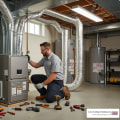
When considering the installation of a residential elevator, one of the most critical steps is to conduct a thorough home inspection. This process is not merely a formality; it serves as a vital assessment of your home’s structural integrity and safety features. Elevators are complex systems that require specific conditions to operate safely and efficiently. A comprehensive inspection can identify potential issues such as inadequate space, structural weaknesses, or electrical concerns that could complicate or even jeopardize the installation process. Moreover, understanding the layout and condition of your home is essential for ensuring compliance with local building codes and regulations.
Many homeowners may overlook this aspect, assuming that their existing structure can accommodate an elevator without any modifications. However, a professional inspection can reveal necessary adjustments that need to be made before installation, ultimately saving you time and money in the long run. In addition to compliance and structural considerations, a home inspection also plays a crucial role in enhancing home safety. Elevators must be installed in a way that minimizes risks to residents, especially in homes with children or elderly individuals. By addressing potential hazards upfront, you can ensure that your new residential elevator will not only meet your mobility needs but also contribute positively to the overall safety of your living environment.
What is a Residential Elevator?
A residential elevator is a specialized lift designed for use within private homes, providing a convenient and safe means of vertical transportation.Unlike commercial elevators, which are built to accommodate high traffic and larger loads, residential elevators are tailored to meet the unique needs of homeowners, enhancing accessibility and comfort.There are several types of residential elevators available, each offering distinct features and benefits:
- Hydraulic Elevators: These elevators use a hydraulic system to lift and lower the cab. They are known for their smooth operation and can accommodate heavier loads, making them ideal for multi-story homes.
- Pneumatic Elevators: Utilizing air pressure, pneumatic elevators are compact and require less space for installation. They are often chosen for their modern design and ease of use.
- Screw-driven Elevators: This type employs a screw mechanism to move the elevator cab. They are energy-efficient and can be installed in smaller spaces, making them suitable for tight residential areas.
- Platform Lifts: Designed primarily for accessibility, platform lifts are ideal for homes with wheelchair users.
They provide a simple solution for navigating short distances between levels.
Why You Should Consider a Home Inspection Before Installation
Before installing a residential elevator, conducting a home inspection is a crucial step that can save you time, money, and potential safety hazards.Here are some key reasons why you should consider a home inspection prior to installation:
- Safety Concerns: A home inspection can identify any existing safety issues within your home that could pose risks during the installation of an elevator. This includes checking for electrical problems, structural weaknesses, or inadequate support systems that may not be visible at first glance.
- Structural Integrity: Elevators require a solid foundation and proper structural support. A thorough inspection will assess whether your home can accommodate the weight and operational demands of a residential elevator. This is particularly important in older homes where structural integrity may have deteriorated over time.
- Compliance with Local Codes: Different regions have specific building codes and regulations regarding the installation of elevators.
A home inspection can help ensure that your property meets these requirements, preventing potential legal issues or costly modifications after installation.
- Cost-Effectiveness: Identifying issues early through a home inspection can lead to significant cost savings. Addressing any necessary repairs before installation can prevent unexpected expenses that may arise from retrofitting or modifying your home post-installation.
Common Issues Identified During Home Inspections for Elevators
When considering the installation of a residential elevator, it is crucial to conduct a thorough home inspection. This process can uncover various issues that may hinder the installation or affect the elevator's performance.Here are some common problems identified during home inspections that could impact your elevator project:
- Structural Integrity: One of the primary concerns is the structural integrity of your home. Inspectors will look for signs of damage, such as cracks in walls or foundations, which could compromise the support needed for an elevator.
- Load-Bearing Walls: Elevators require specific load-bearing walls to support their weight and operation. If your home lacks these, modifications may be necessary, which can increase costs and complexity.
- Electrical Systems: A residential elevator needs a reliable power source. Inspectors will evaluate your electrical systems to ensure they can handle the additional load without risking overloads or failures.
- Space Constraints: The installation of an elevator requires adequate space for both the shaft and the machinery.
Home inspections often reveal areas where space may be limited, necessitating creative solutions or alternative designs.
- Poor Drainage: Elevators can be susceptible to water damage if not properly installed in a well-drained area. Inspectors will assess drainage systems to prevent future issues.
By identifying and rectifying common issues early on, you can ensure a smoother installation process and enhance the overall functionality of your new residential elevator.
How to Prepare for a Home Inspection Before Installing an Elevator
Preparing for a home inspection before installing a residential elevator is crucial to ensure a smooth process and avoid any unexpected issues. Here are some practical tips to help you get ready:- Understand the Inspection Requirements: Familiarize yourself with local building codes and regulations regarding residential elevator services. This knowledge will help you identify what the inspector will be looking for.
- Clear the Installation Area: Ensure that the area where the elevator will be installed is accessible. Remove any furniture, decorations, or obstacles that could hinder the inspection process.
- Check Structural Integrity: Inspect the walls, floors, and ceilings in the installation area for any signs of damage or weakness.
Addressing these issues beforehand can prevent complications during the inspection.
- Review Electrical Systems: Since elevators require electrical connections, ensure that your home’s electrical system is up to code. Consider having a licensed electrician evaluate your system to confirm it can support the new installation.
- Document Existing Conditions: Take photos or notes of the current state of your home, especially in areas related to the elevator installation. This documentation can be helpful if any disputes arise during or after the inspection.
What to Expect During the Home Inspection Process
When preparing for a home inspection prior to installing residential elevator services, it’s essential to understand what the process entails.A home inspection is a thorough examination of the property, focusing on its structural integrity, safety, and overall condition. Here’s what you can expect during this critical phase:
- Initial Walkthrough: The inspector will begin with a general walkthrough of your home. This allows them to get an overview of the property and identify any obvious issues that may need further investigation.
- Structural Assessment: The inspector will evaluate the foundation, walls, and roof for any signs of damage or wear. This is crucial as any structural deficiencies could impact the installation of a residential elevator.
- Systems Check: Key systems such as plumbing, electrical, and HVAC will be inspected.
The inspector will look for compliance with local codes and regulations, which is particularly important when integrating new systems like an elevator.
- Safety Features: Safety is paramount when considering a residential elevator. The inspector will assess existing safety features in your home, such as handrails and staircases, to ensure they meet the necessary standards for elevator installation.
- Documentation: After the inspection, you will receive a detailed report outlining the findings. This document is invaluable for understanding any necessary repairs or modifications before proceeding with your elevator installation.
By addressing any issues highlighted in the inspection report, you can create a safer and more efficient environment for your new elevator system.
Frequently Asked Questions About Home Inspections and Residential Elevators
When considering the installation of a residential elevator, many homeowners have questions about the necessity of a home inspection. Here are some frequently asked questions that can help clarify this important step.Do I need a home inspection before installing a residential elevator?
Yes, it is highly recommended to have a home inspection before installing a residential elevator. A thorough inspection can identify any structural issues, electrical concerns, or space limitations that may affect the installation process. This proactive approach ensures that your home can safely accommodate the elevator and helps avoid costly modifications later on.What specific aspects will the inspector evaluate?
- Structural Integrity: The inspector will assess whether your home’s structure can support the weight and operational demands of an elevator.
- Electrical Systems: An evaluation of your electrical systems is crucial to ensure they can handle the power requirements of the elevator.
- Space Requirements: The inspector will check if there is adequate space for the elevator shaft and landing areas.
How can I prepare for the home inspection?
To prepare for your home inspection, consider the following steps:- Clear Access: Ensure that areas where the inspector will need to access are clear of furniture and other obstacles.
- Document Existing Conditions: Take notes or photos of any existing issues in your home that may be relevant to the installation.
- Ask Questions: Prepare a list of questions regarding the installation process and any concerns you may have about your home’s suitability for a residential elevator.
A home inspection not only provides peace of mind but also helps in making informed decisions about your home's accessibility needs.
Conclusion: The Value of Home Inspections in Elevator Installation Decisions
In conclusion, the decision to install a residential elevator is not one to be taken lightly. A thorough home inspection plays a crucial role in ensuring that your installation process is smooth and successful. By identifying potential structural issues, assessing the existing electrical systems, and evaluating the overall layout of your home, a professional inspection can save you time, money, and stress in the long run.Here are some key reasons why a home inspection is invaluable before proceeding with residential elevator services:- Structural Integrity: An inspector can determine if your home can support the weight and operational demands of an elevator.
- Code Compliance: Elevators must meet specific building codes and regulations. An inspection ensures that your home adheres to these standards.
- Safety Considerations: Identifying hazards such as inadequate space or faulty wiring can prevent accidents and ensure safe operation.
- Cost Efficiency: Addressing issues before installation can prevent costly modifications later on.
It allows homeowners to make informed decisions, ensuring that their investment in residential elevator services is sound and beneficial for years to come.