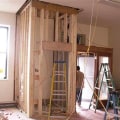
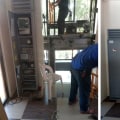
As homes evolve to meet the needs of modern living, residential elevators have emerged as a vital feature for many households. These elevators not only enhance accessibility for individuals with mobility challenges but also add a touch of luxury and convenience to multi-story homes. With an increasing number of homeowners recognizing the benefits of installing elevators, the demand for residential elevator services has surged, making it essential to understand the safety implications associated with these installations. The importance of residential elevators extends beyond mere convenience; they play a crucial role in ensuring the safety and well-being of all residents. As families grow and change, having a reliable means of transportation within the home can significantly improve quality of life.
However, with this growing popularity comes the responsibility to adhere to stringent safety standards and regulations that govern elevator installations. Safety certifications are not just bureaucratic hurdles; they are essential measures designed to protect users from potential hazards. Understanding these regulations is key for homeowners considering residential elevator services. By ensuring that their elevators meet established safety standards, homeowners can enjoy peace of mind knowing that their investment is secure and that their family is safe. This discussion will delve deeper into the specific safety certifications and regulations that apply to residential elevators, highlighting their importance in maintaining a safe living environment.
Overview of Residential Elevator Services
When considering residential elevator services, homeowners have a variety of options tailored to their specific needs.These services encompass not only the installation of elevators but also ongoing maintenance and repair, ensuring that your home’s vertical transportation system operates safely and efficiently.
Types of Residential Elevators
- Hydraulic Elevators: These elevators use a hydraulic system to lift and lower the cab. They are known for their smooth operation and are ideal for low-rise buildings.
- Traction Elevators: Utilizing a system of pulleys and cables, traction elevators are suitable for taller homes. They offer faster travel speeds and are energy-efficient.
- Pneumatic Elevators: These elevators operate using air pressure and are often chosen for their modern design and minimal space requirements.
- Platform Lifts: Designed for accessibility, platform lifts are perfect for homes needing to accommodate individuals with mobility challenges.
This includes assessing the structural integrity of your home, selecting the right type of elevator, and integrating it seamlessly into your living space.
Maintenance and Repair
Regular maintenance is essential to prolong the lifespan of your elevator. Most service providers offer comprehensive maintenance packages that include routine inspections, lubrication of moving parts, and prompt repairs when issues arise. This proactive approach not only enhances safety but also minimizes unexpected breakdowns.In summary, understanding the various residential elevator services available can help homeowners make informed decisions about installation, maintenance, and repair. By choosing the right type of elevator and ensuring regular upkeep, you can enjoy a safe and efficient means of vertical transportation in your home.Key Safety Certifications for Residential Elevators
When considering residential elevator services, understanding the safety certifications and regulations that govern these systems is essential.These certifications ensure that elevators are designed, installed, and maintained to meet stringent safety standards, providing peace of mind for homeowners.One of the most recognized standards in the industry is the ASME A17.1 , which outlines safety codes for elevators and escalators. This standard covers various aspects, including design, construction, installation, operation, inspection, testing, maintenance, and repair of elevators. Compliance with ASME A17.1 is crucial for ensuring that residential elevators operate safely and efficiently.In addition to ASME A17.1, other important certifications include:
- ISO 9001: This certification focuses on quality management systems and ensures that manufacturers adhere to high-quality production standards.
- EN 81: A European standard that specifies safety rules for the construction and installation of lifts, which can also apply to residential elevators in certain contexts.
- CSA B44: The Canadian standard for elevators and escalators, which aligns closely with ASME A17.1 but includes specific provisions for Canadian regulations.
These organizations provide additional oversight and resources to ensure compliance with safety standards.Homeowners should always request documentation of these certifications from their elevator service providers. This not only confirms compliance with safety regulations but also reflects a commitment to quality and reliability in residential elevator services.
Regulatory Bodies Governing Residential Elevators
When it comes to residential elevator services, understanding the regulatory landscape is crucial for ensuring safety and compliance. Several key organizations oversee the regulations that govern elevator safety, both at the national and local levels.National Elevator Industry, Inc. (NEII) is one of the primary bodies that advocate for safety standards in the elevator industry.They work closely with manufacturers, contractors, and regulatory agencies to promote safe practices and compliance with existing laws.American Society of Mechanical Engineers (ASME) is another significant organization that develops codes and standards for elevators, including the ASME A17.1 code, which outlines safety requirements for elevators and escalators. Compliance with these standards is often mandatory in many jurisdictions. In addition to national organizations, local building codes play a vital role in regulating residential elevators. These codes can vary significantly from one municipality to another, so it’s essential for homeowners and contractors to be aware of local regulations. Many states have their own elevator safety boards that enforce compliance with both state and federal regulations.
- State Elevator Safety Boards: These boards are responsible for enforcing state-specific regulations and ensuring that all residential elevators meet safety standards.
- Local Building Departments: Often involved in the permitting process, these departments ensure that installations comply with local codes.
Homeowners should be proactive in scheduling these inspections as part of their residential elevator services.In summary, understanding the various regulatory bodies and their roles is essential for anyone involved in residential elevator services. Compliance not only ensures safety but also protects homeowners from potential liabilities associated with elevator accidents.
Common Safety Features in Residential Elevators
When considering residential elevator services, understanding the common safety features is crucial for ensuring the well-being of all users. Modern residential elevators are equipped with a variety of safety technologies designed to prevent accidents and enhance user confidence.- Emergency Brakes: One of the most critical safety features in residential elevators is the emergency brake system. This mechanism automatically engages if the elevator experiences a malfunction, preventing it from free-falling and ensuring a safe stop.
- Door Sensors: To prevent accidents during entry and exit, residential elevators are fitted with door sensors that detect obstructions.
If an object or person is in the way, the doors will not close, reducing the risk of injury.
- Overload Sensors: These sensors monitor the weight capacity of the elevator. If the weight exceeds the safe limit, the elevator will not operate, preventing potential mechanical failures and ensuring user safety.
- Emergency Communication Systems: Many residential elevators come equipped with two-way communication systems that allow users to contact help in case of an emergency. This feature provides peace of mind, especially for elderly or disabled individuals.
- Backup Power Supply: In case of a power outage, a backup power supply ensures that the elevator can still operate or safely return to a designated floor, allowing users to exit without panic.
Frequently Asked Questions About Residential Elevator Safety Regulations
When considering residential elevator services, safety is a paramount concern for homeowners.Here are some frequently asked questions regarding safety regulations and certifications for residential elevators:
- What safety certifications should I look for in a residential elevator?
Look for elevators that comply with the American Society of Mechanical Engineers (ASME) A17.1 code, which outlines safety standards for elevators. Additionally, check if the elevator has been certified by recognized organizations such as the National Elevator Industry, Inc. (NEII). - Are there specific regulations for residential elevators?
Yes, residential elevators must adhere to local building codes and regulations, which can vary by state or municipality. It’s essential to consult with local authorities or a qualified elevator service provider to ensure compliance. - How often should I have my residential elevator serviced?
Regular maintenance is crucial for safety.It is recommended to have your elevator serviced at least once a year by a licensed technician to ensure all components are functioning correctly and safely.
- What are the common safety features in residential elevators?
Common safety features include emergency stop buttons, door sensors that prevent closing on passengers, and backup power systems to ensure operation during power outages. - Can I install a residential elevator in an existing home?
Yes, many homeowners choose to retrofit their homes with elevators. However, it’s important to work with professionals who can assess your home’s structure and recommend suitable options that meet safety standards.
Conclusion: Ensuring Safety in Residential Elevators
In conclusion, ensuring safety in residential elevator services is paramount for homeowners considering the installation of an elevator. Throughout this article, we have explored the various safety certifications and regulations that govern residential elevators, emphasizing the need for compliance with these standards to protect both residents and visitors.One of the key takeaways is the importance of selecting a service provider that adheres to recognized safety standards, such as those set by the American Society of Mechanical Engineers (ASME) and local building codes. These organizations provide guidelines that help ensure elevators are designed, installed, and maintained with safety as a top priority.Moreover, regular inspections and maintenance are crucial components of elevator safety.Homeowners should be proactive in scheduling routine checks to identify potential issues before they become serious hazards. This not only prolongs the life of the elevator but also ensures that it operates safely for all users.Additionally, understanding the specific regulations in your area can help you make informed decisions when choosing residential elevator services. Local codes may vary significantly, so consulting with professionals who are knowledgeable about these regulations is essential.Ultimately, investing in a safe and reliable residential elevator is not just about convenience; it’s about ensuring peace of mind for you and your family. By prioritizing safety certifications and adhering to regulations, you can enjoy the benefits of your residential elevator while minimizing risks.