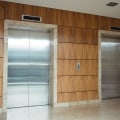
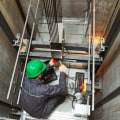
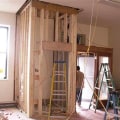
In today's world, residential elevators have become an essential feature in many homes, particularly for those seeking to enhance accessibility and convenience. As more homeowners recognize the benefits of having a personal elevator, understanding the average lifespan of these systems is crucial. A well-maintained residential elevator not only improves mobility but also adds value to a property, making it an attractive option for families and individuals alike. The lifespan of a residential elevator can vary significantly based on several factors, including the type of elevator, frequency of use, and the quality of residential elevator services employed for maintenance. Generally, a residential elevator can last anywhere from 15 to 25 years with proper care.
Regular inspections and timely repairs are vital in ensuring that the elevator operates safely and efficiently throughout its lifespan. Moreover, understanding the importance of home elevator maintenance cannot be overstated. Routine checks not only prolong the life of the elevator but also prevent unexpected breakdowns that could disrupt daily activities. Homeowners should consider establishing a maintenance schedule with qualified professionals to ensure their elevators remain in optimal condition. By investing in quality services and adhering to maintenance protocols, homeowners can enjoy the full benefits of their residential elevators for many years to come.
What is a Residential Elevator?
A residential elevator is a specialized lift designed to transport individuals and goods between different levels of a home.These elevators are particularly beneficial for enhancing home accessibility, making it easier for individuals with mobility challenges to navigate multi-story residences. Unlike commercial elevators, residential elevators are tailored to fit within the unique dimensions and aesthetic of a home, providing both functionality and style.There are several types of residential elevators available, each catering to different needs and preferences:
- Hydraulic Elevators: These elevators use a hydraulic system to lift and lower the cab. They are known for their smooth operation and can accommodate heavier loads, making them ideal for larger homes.
- Screw-Driven Elevators: Utilizing a screw mechanism, these elevators are often more compact and can be installed in smaller spaces. They are energy-efficient and require less maintenance.
- Pneumatic Elevators: These elevators operate using air pressure and are typically tube-shaped.
They offer a modern aesthetic and are easy to install, often requiring no pit or machine room.
- Platform Lifts: Designed primarily for accessibility, platform lifts provide a simple solution for moving between levels without the need for a full elevator shaft.
Average Lifespan of Residential Elevators
When considering residential elevator services, one of the most common questions homeowners ask is, "How long do residential elevators last?" On average, a well-maintained residential elevator can last between 20 to 30 years. However, this lifespan can vary significantly based on several factors.Factors Affecting Elevator Lifespan
- Quality of Installation: Proper installation by experienced professionals is crucial.
A poorly installed elevator may face issues that shorten its lifespan.
- Maintenance Frequency: Regular maintenance is essential. Elevators that receive routine inspections and servicing tend to last longer than those that are neglected.
- Usage Patterns: The frequency and manner in which the elevator is used can impact its longevity. Elevators that are used heavily may experience more wear and tear.
- Environmental Conditions: Factors such as humidity, temperature fluctuations, and exposure to corrosive elements can affect the components of the elevator.
- Type of Elevator: Different types of residential elevators (hydraulic, traction, or pneumatic) have varying lifespans. For instance, hydraulic elevators may require more maintenance but can also be very durable.
By doing so, you not only ensure safety but also enhance the longevity of your investment.In conclusion, while the average lifespan of a residential elevator ranges from 20 to 30 years, understanding and addressing the factors that influence this lifespan can help homeowners make informed decisions about their elevators and maintenance practices.
Factors Influencing the Lifespan of Residential Elevators
The lifespan of a residential elevator can be significantly influenced by several key factors. Understanding these factors can help homeowners make informed decisions regarding their elevator systems and maintenance practices.Maintenance Practices
Regular maintenance is crucial for extending the life of a residential elevator. Scheduled inspections and timely repairs can prevent minor issues from escalating into major problems. A well-maintained elevator not only operates more efficiently but also reduces the risk of unexpected breakdowns.Homeowners should consider engaging professional residential elevator services to ensure that all components, including the motor, cables, and control systems, are functioning optimally.
Usage Frequency
The frequency of use plays a significant role in determining how long a residential elevator will last. Elevators that are used frequently may experience more wear and tear compared to those that are used sparingly. For instance, a household with multiple family members using the elevator daily will likely see a shorter lifespan than one where the elevator is used only occasionally. Homeowners should assess their usage patterns and consider this when planning for maintenance schedules.Environmental Conditions
The environment in which the elevator operates can also impact its longevity.Factors such as humidity, temperature fluctuations, and exposure to dust or debris can affect the mechanical components of the elevator. For example, elevators installed in coastal areas may be exposed to salt air, which can lead to corrosion over time. Ensuring that the installation site is suitable and taking preventive measures can help mitigate these environmental impacts.In summary, the lifespan of a residential elevator is influenced by maintenance practices, usage frequency, and environmental conditions. By understanding these factors and working with qualified residential elevator services, homeowners can enhance the durability and reliability of their elevators.
Maintenance Tips for Extending Elevator Lifespan
Maintaining a residential elevator is crucial for ensuring its longevity and safe operation.Here are some practical maintenance tips that homeowners can follow to help extend the lifespan of their elevators:
- Regular Inspections: Schedule professional inspections at least once a year. A qualified technician can identify potential issues before they become major problems.
- Keep the Area Clean: Ensure that the elevator shaft and surrounding areas are free from debris and obstructions. This helps prevent mechanical issues and ensures smooth operation.
- Lubricate Moving Parts: Regularly lubricate the moving components of your elevator, such as pulleys and cables, to reduce friction and wear. Consult your manufacturer’s guidelines for specific lubrication schedules.
- Monitor Usage: Be mindful of the weight limit and avoid overloading the elevator.
Excessive weight can strain the system and lead to premature wear.
- Check Emergency Systems: Regularly test emergency features, such as alarms and backup power systems, to ensure they function correctly in case of an emergency.
Signs Your Residential Elevator Needs Repair or Replacement
As a homeowner, ensuring the safety and functionality of your residential elevator is crucial. Recognizing the signs of elevator problems can help you determine whether it’s time for repairs or a complete replacement. Here are some key indicators to watch for:- Unusual Noises: If your elevator starts making grinding, squeaking, or clunking sounds, it may indicate mechanical issues that require immediate attention.
- Inconsistent Performance: An elevator that frequently stops unexpectedly or has trouble leveling with the floor can be a sign of malfunctioning components.
- Slow Operation: If your elevator takes longer than usual to reach its destination, it could be a sign of wear and tear on the motor or other critical parts.
- Frequent Breakdowns: If you find yourself calling for residential elevator services more often than before, it may be more cost-effective to consider a replacement rather than ongoing repairs.
- Visible Wear and Tear: Inspect the interior and exterior of your elevator for signs of rust, corrosion, or damage.
These can compromise safety and efficiency.
Cost Considerations for Residential Elevator Services
When considering residential elevator services, understanding the financial implications is crucial for homeowners.The costs associated with installing and maintaining a home elevator can vary significantly based on several factors, including the type of elevator, the complexity of installation, and ongoing maintenance needs.
Installation Costs
The initial installation cost of a residential elevator typically ranges from $20,000 to $50,000. This price can fluctuate based on the elevator model, the number of floors it services, and any customization options. For instance, hydraulic elevators tend to be more expensive than pneumatic models due to their complex installation requirements.Maintenance Expenses
Once installed, regular maintenance is essential to ensure the elevator operates safely and efficiently. Homeowners should budget approximately $200 to $500 annually for maintenance services.This includes routine inspections, necessary repairs, and potential upgrades to keep the system compliant with safety regulations.
Budgeting Tips
- Research Different Models: Compare various types of elevators and their associated costs to find one that fits your budget.
- Consider Long-Term Costs: Factor in both installation and maintenance costs when budgeting for a residential elevator.
- Consult Professionals: Engage with experienced contractors who specialize in residential elevator services to get accurate estimates and advice.
Frequently Asked Questions about Residential Elevators
When considering residential elevator services, homeowners often have numerous questions. Here are some of the most frequently asked questions regarding residential elevators:- What is the average lifespan of a residential elevator?
The average lifespan of a residential elevator typically ranges from 20 to 30 years, depending on factors such as usage, maintenance, and the quality of the installation. Regular servicing can extend this lifespan significantly. - How often should I service my residential elevator?
It is recommended to have your residential elevator serviced at least once a year.Regular maintenance checks can help identify potential issues before they become major problems, ensuring safety and reliability.
- What are the common types of residential elevators?
There are several types of residential elevators, including:- Hydraulic elevators
- Traction elevators
- Pneumatic elevators
- Vacuum elevators
- Are residential elevators safe?
Yes, when installed and maintained properly, residential elevators are safe. They come equipped with various safety features such as emergency brakes, backup power systems, and door sensors to prevent accidents. - What is the cost of installing a residential elevator?
The cost can vary widely based on the type of elevator, installation complexity, and additional features. On average, homeowners can expect to pay between $20,000 and $50,000 for a new installation. - Can I install a residential elevator in an existing home?
Yes, many homeowners choose to install elevators in existing homes. However, it may require structural modifications depending on the layout and design of your home. - What maintenance services do residential elevators require?
Maintenance services typically include:- Inspection of mechanical components
- Lubrication of moving parts
- Testing safety features
- Checking electrical systems
Conclusion: Key Takeaways on Residential Elevator Lifespan and Services
In summary, understanding the average lifespan of a residential elevator is crucial for homeowners considering installation or maintenance.Typically, a well-maintained residential elevator can last between 20 to 30 years. However, this lifespan can vary significantly based on several factors, including the type of elevator, usage frequency, and the quality of residential elevator services employed.
Key Factors Influencing Lifespan:
- Quality of Installation: Proper installation by certified professionals ensures that the elevator operates efficiently and safely.
- Regular Maintenance: Scheduled inspections and maintenance can prevent minor issues from escalating into major problems, thereby extending the elevator's lifespan.
- Usage Patterns: Elevators that are used frequently may experience more wear and tear compared to those used sparingly.
- Technological Advancements: Upgrading to newer technologies can enhance performance and longevity.