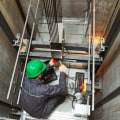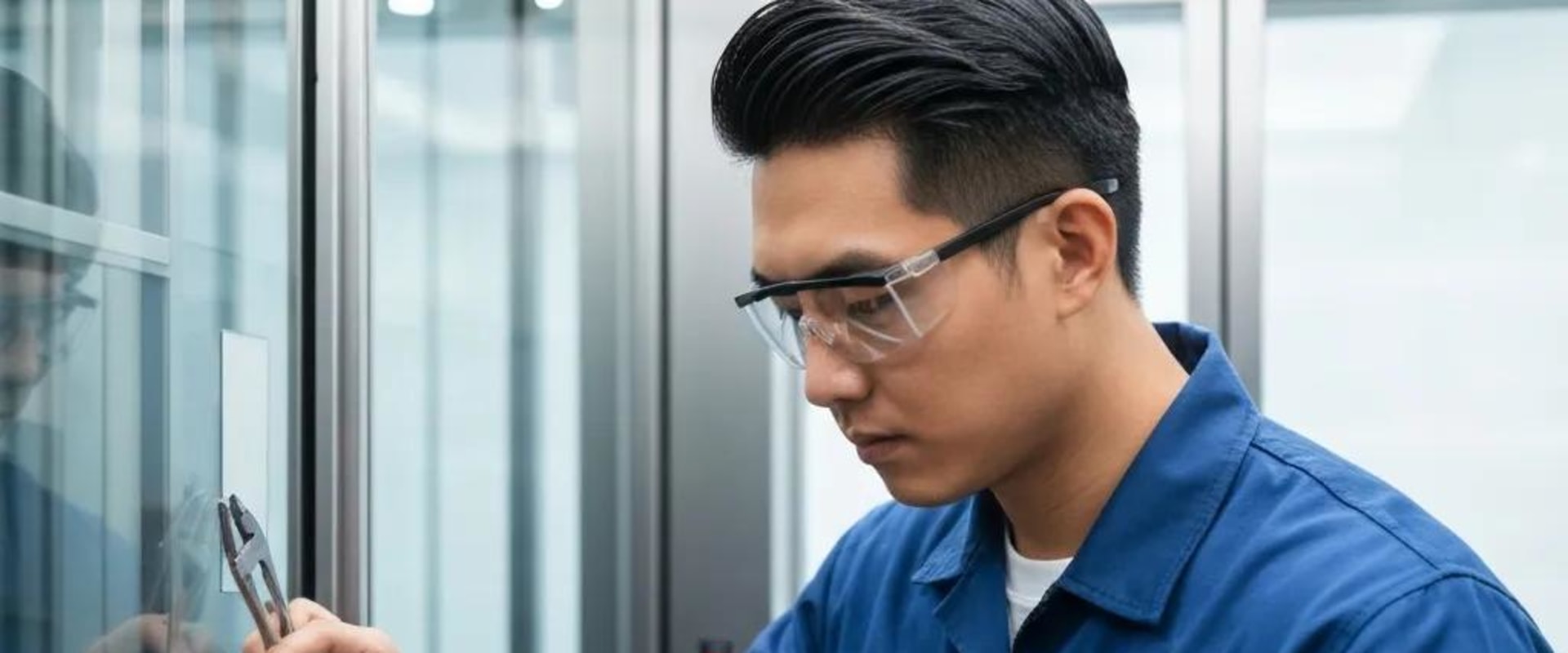
In recent years, the demand for residential elevators has surged, reflecting a growing recognition of their importance in modern homes. These elevators not only enhance accessibility for individuals with mobility challenges but also add a touch of luxury and convenience to everyday living. As more homeowners consider installing these vertical transport systems, understanding the associated residential elevator services becomes crucial for ensuring their safety and functionality. Residential elevators are designed to seamlessly integrate into a home’s architecture, providing an efficient means of moving between floors. However, like any mechanical system, they require regular maintenance to operate safely and effectively.
Neglecting maintenance can lead to unexpected breakdowns, safety hazards, and costly repairs. Therefore, it is essential for homeowners to familiarize themselves with the basic maintenance requirements and services available for their residential elevators. By prioritizing proper care and maintenance, homeowners can not only extend the lifespan of their elevators but also ensure that they remain a reliable feature of their home. Understanding the significance of elevator maintenance is key to enjoying the full benefits of this investment. In the following sections, we will delve deeper into the specific maintenance requirements and services that can help keep residential elevators in optimal condition.
What Are Residential Elevators?
A residential elevator is a compact lifting system designed to transport individuals and goods between different levels of a home.Unlike commercial elevators, which are built for high traffic and larger capacities, residential elevators are tailored for private use, offering convenience and accessibility in multi-story homes.
Types of Residential Elevators
- Hydraulic Elevators: These elevators use a hydraulic system to lift and lower the cab. They are known for their smooth operation and can accommodate heavier loads, making them ideal for larger homes.
- Traction Elevators: Utilizing a pulley system, traction elevators are often more energy-efficient and can travel at higher speeds. They are suitable for homes with multiple floors.
- Pneumatic Elevators: These elevators operate using air pressure and are typically smaller in size. They are easy to install and require less space, making them perfect for homes with limited room.
- Screw-Driven Elevators: This type uses a screw mechanism to move the cab.
They are known for their reliability and low maintenance needs.
Features of Residential Elevators
Residential elevators come equipped with various features that enhance their functionality and user experience:- Safety Features: Most residential elevators include safety mechanisms such as emergency brakes, door sensors, and backup power systems to ensure safe operation.
- Customizable Cab Designs: Homeowners can choose from various materials, colors, and finishes to match their home’s interior decor.
- User-Friendly Controls: Many models offer intuitive controls that can be operated easily by individuals of all ages, including those with mobility challenges.
- Space Efficiency: Residential elevators are designed to occupy minimal space while providing maximum functionality, making them an excellent choice for smaller homes.
Why Maintenance is Crucial for Residential Elevators
Maintaining a residential elevator is not just a matter of convenience; it is a critical aspect of ensuring safety and performance. Regular maintenance of residential elevator services plays a vital role in preventing accidents and ensuring the longevity of the equipment.Importance of Elevator Maintenance
- Safety: Elevators are complex machines that require regular checks to ensure all components are functioning correctly. Neglecting maintenance can lead to malfunctions, which may pose serious safety risks to users.
- Performance: Regular maintenance helps in identifying potential issues before they escalate, ensuring that the elevator operates smoothly and efficiently.
- Longevity: Just like any other mechanical system, elevators benefit from routine care.
Regular servicing can extend the lifespan of the elevator, saving homeowners from costly replacements.
Benefits of Regular Maintenance
- Cost Savings: Investing in regular maintenance can prevent expensive repairs down the line. By addressing minor issues early, homeowners can avoid major breakdowns that require significant financial outlay.
- Increased Property Value: A well-maintained elevator can enhance the overall value of a home. Prospective buyers often view elevators as a luxury feature, and knowing that it has been regularly serviced can be a selling point.
- Peace of Mind: Knowing that your residential elevator is regularly maintained provides peace of mind for homeowners and their families, allowing them to use the elevator without fear of malfunction.
Safety Concerns with Elevators
The risks associated with neglecting elevator maintenance cannot be overstated. Faulty elevators can lead to accidents, injuries, or even fatalities.
Regular inspections by qualified professionals ensure that all safety features are operational, including emergency brakes and alarms. Homeowners should prioritize maintenance schedules to protect their loved ones and ensure safe operation.In conclusion, regular maintenance of residential elevators is essential for safety, performance, and longevity. By investing in residential elevator services, homeowners not only protect their investment but also ensure a safe and reliable mode of transportation within their homes.
Common Maintenance Requirements for Residential Elevators
Maintaining a residential elevator is crucial for ensuring its safety, reliability, and longevity. Regular maintenance not only helps in preventing unexpected breakdowns but also enhances the overall user experience.Here are some common maintenance requirements that homeowners should be aware of:
- Regular Inspections: Schedule professional inspections at least once a year. These inspections should cover all mechanical and electrical components to ensure they are functioning correctly.
- Lubrication: Lubricate moving parts such as pulleys, cables, and bearings to reduce friction and wear. This should be done according to the manufacturer’s recommendations.
- Cleaning: Keep the elevator shaft and car clean. Dust and debris can accumulate and affect the elevator's performance.
Regular cleaning helps maintain a smooth operation.
- Emergency Systems Check: Test emergency systems, including alarms and backup power sources, to ensure they are operational in case of a power failure.
- Door Mechanism Maintenance: Inspect and adjust door mechanisms to ensure they open and close smoothly without obstruction.
- Noisy Operation: Unusual sounds can indicate mechanical issues that need immediate attention.
- Slow Response Time: If the elevator takes longer than usual to respond, it may require servicing.
- Door Malfunctions: Doors that do not open or close properly can pose safety risks.
- Inspect cables and pulleys for wear.
- Check the hydraulic fluid levels (if applicable).
- Test all safety features.
- Review the control panel for any error messages.
- Ensure proper lighting inside the elevator car.
How Often Should You Schedule Maintenance?
When it comes to residential elevator services, establishing a proper maintenance schedule is crucial for ensuring safety and longevity. The frequency of maintenance can vary based on several factors, including the elevator's usage, age, and manufacturer recommendations.General Maintenance Recommendations
- Monthly Inspections: For elevators that experience heavy use, such as those in larger homes or multi-family units, a monthly inspection is advisable. This allows for early detection of potential issues.
- Quarterly Maintenance: For average residential use, scheduling maintenance every three months is typically sufficient.
This includes checking the mechanical components, lubricating moving parts, and ensuring safety features are operational.
- Annual Comprehensive Service: An annual service should be more thorough, involving a complete inspection of the elevator system, including electrical components and safety systems. This is often required by manufacturers to maintain warranty coverage.
Factors Influencing Maintenance Frequency
- Usage: The more frequently the elevator is used, the more often it will require maintenance. High-traffic homes may need more regular checks.
- Age of the Elevator: Older elevators may require more frequent servicing due to wear and tear on components.
- Manufacturer Guidelines: Always refer to the specific guidelines provided by the manufacturer. They often provide tailored recommendations based on the model and its intended use.
Regular maintenance not only enhances performance but also extends the lifespan of the elevator, making it a worthwhile investment in your home.
Choosing the Right Residential Elevator Service Provider
When it comes to maintaining your residential elevator, selecting the right residential elevator services provider is crucial for ensuring safety and reliability. Here are some key factors to consider when choosing an elevator service company:- Experience: Look for a provider with extensive experience in the industry. A company that has been in business for several years is likely to have encountered a variety of issues and can offer effective solutions.
- Certifications: Ensure that the service provider holds the necessary certifications and licenses. This not only demonstrates their expertise but also ensures compliance with local regulations and safety standards.
- Customer Reviews: Research customer feedback and testimonials.
A reputable company will have positive reviews that reflect their commitment to quality service. Websites like Yelp or Google Reviews can provide insights into the experiences of other homeowners.
- Service Offerings: Check if the company offers comprehensive maintenance services, including regular inspections, emergency repairs, and parts replacement. A full-service provider can save you time and hassle in the long run.
- Response Time: Inquire about their response time for service calls. A reliable provider should be able to address emergencies promptly, minimizing downtime for your elevator.
Remember, investing time in choosing the right company will pay off in the long-term performance and safety of your residential elevator.
FAQs About Residential Elevator Maintenance
When it comes to residential elevator services, homeowners often have numerous questions regarding maintenance. Here are some of the most frequently asked questions:- How often should I schedule maintenance for my residential elevator?
It is generally recommended to have your residential elevator serviced at least once a year. However, depending on usage and the specific model, more frequent inspections may be necessary. - What does a typical maintenance service include?
A standard maintenance service typically includes a thorough inspection of the elevator's mechanical and electrical systems, lubrication of moving parts, testing of safety features, and checking for any signs of wear or damage. - Are there any signs that indicate my elevator needs immediate attention?
Yes, some warning signs include unusual noises, slow operation, or if the elevator stops unexpectedly. If you notice any of these issues, it’s crucial to contact a professional for residential elevator services as soon as possible. - Can I perform any maintenance myself?
While some basic upkeep, like keeping the elevator shaft clean, can be done by homeowners, it’s essential to leave technical inspections and repairs to qualified professionals.Attempting DIY repairs can void warranties and lead to safety hazards.
- What are the costs associated with residential elevator maintenance?
Costs can vary widely based on the type of elevator and the extent of service required. On average, homeowners can expect to pay between $150 to $500 per service visit. Regular maintenance can help prevent costly repairs in the long run.
Conclusion: Ensuring Safety and Longevity of Your Residential Elevator
In conclusion, maintaining your residential elevator is not just a matter of convenience; it is essential for ensuring the safety and longevity of the system.Regular maintenance can prevent unexpected breakdowns, enhance performance, and extend the lifespan of your elevator.Throughout this article, we have highlighted several key aspects of residential elevator services that are crucial for homeowners:
- Routine Inspections: Scheduling regular inspections with a qualified technician can help identify potential issues before they escalate into costly repairs.
- Cleaning and Lubrication: Keeping the elevator components clean and properly lubricated reduces wear and tear, ensuring smooth operation.
- Emergency Preparedness: Understanding how to respond in case of an emergency can significantly enhance safety for all users.
- Documentation: Maintaining a log of all service records helps track the elevator's performance and can be beneficial for future maintenance planning.