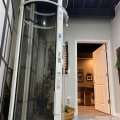
As homeowners seek to enhance their living spaces and improve accessibility, residential elevators have emerged as a popular solution. These innovative systems not only provide convenience for individuals with mobility challenges but also add a touch of luxury to any home. With the increasing demand for residential elevator services, understanding the factors that influence installation costs becomes essential for prospective buyers. The cost of installing a residential elevator can vary significantly based on several factors, including the type of elevator, the complexity of the installation, and any additional features or customizations. For instance, a basic model may be more affordable, while a high-end option with advanced technology and design elements can substantially increase the overall price.
Additionally, the location of the installation within the home—such as whether it requires extensive structural modifications—can also impact costs. Beyond the financial aspect, the benefits of installing a residential elevator extend far beyond mere convenience. They can enhance property value, provide peace of mind for aging family members, and facilitate easier movement between floors for everyone in the household. As we delve deeper into this topic, we will explore the various costs associated with residential elevators and the comprehensive services available to homeowners looking to invest in this transformative feature.
Factors Influencing the Cost of Residential Elevators
When considering residential elevator services, several key factors can significantly influence the overall cost of installation. Understanding these elements can help homeowners make informed decisions and budget accordingly.- Type of Elevator: The type of elevator chosen plays a crucial role in pricing.
Options include hydraulic, traction, and pneumatic elevators, each with varying costs based on technology and materials used. Hydraulic elevators tend to be more affordable but may require more space, while traction elevators are often more efficient but come at a higher price point.
- Size and Capacity: The dimensions of the elevator and its weight capacity directly affect the cost. Larger elevators that accommodate more passengers or heavier loads will generally incur higher installation costs due to the need for more robust components and additional structural support.
- Installation Complexity: The complexity of the installation process can vary widely depending on the existing structure of the home. Factors such as the number of floors, available space for the elevator shaft, and any necessary modifications to the building can all impact labor costs and timeframes.
- Location: Geographic location also plays a significant role in determining costs.
Areas with higher labor rates or stricter building codes may see increased expenses. Additionally, accessibility issues or unique site conditions can further complicate installation and drive up costs.
- Additional Features: Homeowners may choose to add custom features such as advanced control systems, decorative finishes, or safety enhancements. While these upgrades can enhance functionality and aesthetics, they will also contribute to the overall cost.
Types of Residential Elevators and Their Costs
When considering residential elevator services, it's essential to understand the various types of elevators available and their associated costs. Each type has unique features, benefits, and price points that cater to different needs and preferences.Hydraulic Elevators
Hydraulic elevators are one of the most common types used in residential settings. They operate using a hydraulic system that lifts the elevator car via a piston. These elevators are known for their smooth ride and ability to handle heavier loads. The average cost for installing a hydraulic elevator ranges from $30,000 to $50,000, depending on factors such as the number of stops and customization options.Pneumatic Elevators
Pneumatic elevators, also known as vacuum elevators, utilize air pressure to move the car up and down. They are often favored for their modern design and minimal space requirements. Installation costs for pneumatic elevators typically range from $25,000 to $40,000. Their unique design allows for easy installation without the need for a machine room, making them an attractive option for many homeowners.Traction Elevators
Traction elevators use a system of pulleys and cables to lift the elevator car. They are generally more energy-efficient than hydraulic models and can be installed in buildings with multiple floors. The cost of traction elevators can vary significantly, ranging from $35,000 to $70,000, depending on the complexity of the installation and additional features.Cost Considerations
When evaluating the costs of different elevator types, it's important to consider not only the initial installation price but also ongoing maintenance costs, energy consumption, and potential modifications needed for your home.Additionally, local building codes and regulations may impact installation costs. In summary, understanding the different types of residential elevators and their respective costs can help you make an informed decision that aligns with your budget and lifestyle needs.
Installation Costs: What to Expect
When considering residential elevator services, understanding the installation costs is crucial for homeowners. The total cost of installing a residential elevator can vary significantly based on several factors, including the type of elevator, the complexity of the installation, and the specific requirements of your home.Typical Installation Costs
- The average cost for a basic residential elevator installation ranges from $20,000 to $40,000.
- For more advanced models, such as those with custom features or higher weight capacities, costs can escalate to $50,000 or more.
- Labor costs typically account for about 30% to 50% of the total installation price.
Installation Process
The installation process generally involves several key steps:
- Site Assessment: A professional will evaluate your home to determine the best location for the elevator.
- Design and Planning: Custom designs may be created based on your preferences and space constraints.
- Construction: This may involve structural modifications to accommodate the elevator shaft.
- Installation: The actual installation of the elevator system takes place, which can take several days to weeks depending on complexity.
Hidden Costs
Homeowners should also be aware of potential hidden costs that can arise during the installation process:
- Permits and Inspections: Local regulations may require permits that can add to your overall expenses.
- Electrical Work: Upgrades to your electrical system may be necessary to support the elevator.
- Maintenance Plans: Consider ongoing maintenance costs that can add up over time.
Maintenance Costs for Residential Elevators
When considering the installation of a residential elevator, it’s crucial to factor in the maintenance costs that will arise over time. Regular upkeep is essential not only for the longevity of the elevator but also for ensuring safety and compliance with local regulations.Routine Maintenance Costs
Typically, homeowners can expect to pay between $150 and $500 annually for routine maintenance.
This includes regular inspections, lubrication of moving parts, and adjustments to ensure optimal performance. These inspections are vital as they help identify potential issues before they escalate into costly repairs.
Service Contracts
Many homeowners opt for service contracts, which can provide peace of mind and predictable budgeting. These contracts often cover a range of services, including:
- Annual inspections
- Emergency repairs
- Parts replacement
- 24/7 customer support
Upkeep Expenses
In addition to routine maintenance and service contracts, there are other upkeep expenses to consider.
For instance, if your elevator uses hydraulic systems, you may need to budget for hydraulic fluid replacement every few years. Additionally, cosmetic repairs or upgrades may be necessary over time, depending on usage and wear.Understanding these ongoing costs is essential for effective long-term budgeting. By planning for maintenance and potential repairs, homeowners can enjoy the convenience of their residential elevators without unexpected financial burdens.
Financing Options for Residential Elevators
Installing a residential elevator can significantly enhance the accessibility and value of your home, but the upfront costs can be daunting. Fortunately, there are several financing options available to help homeowners manage these expenses.Loans for Home Elevators
One of the most common ways to finance a residential elevator is through a loan.Many banks and credit unions offer personal loans specifically designed for home improvements. These loans typically have fixed interest rates and flexible repayment terms, making them an attractive option for homeowners. Additionally, some lenders may provide specialized loans for accessibility modifications, which can include residential elevators.
Payment Plans
Many elevator installation companies offer payment plans that allow homeowners to spread the cost over time. These plans can vary widely in terms of duration and interest rates, so it’s essential to compare different options.Some companies may even offer zero-interest financing for a limited period, making it easier to manage your budget while enjoying the benefits of a new elevator.
Grants and Incentives
Homeowners should also explore potential grants or incentives available for installing residential elevators. Various state and federal programs aim to assist individuals with disabilities or those looking to improve home accessibility. These programs may provide financial assistance or tax credits that can significantly reduce the overall cost of installation.Before making a decision, it’s advisable to consult with a financial advisor or a representative from your chosen elevator service provider. They can help you navigate the various financing options and determine which plan best suits your financial situation.Choosing the Right Residential Elevator Service Provider
When it comes to installing a residential elevator, selecting the right residential elevator services provider is crucial for ensuring a smooth and successful installation.Here are some key factors to consider when choosing an elevator company:
- Experience and Expertise: Look for a provider with extensive experience in the industry. Companies that have been in business for several years are likely to have encountered a variety of installation scenarios and can handle unexpected challenges effectively.
- Customer Reviews: Research customer feedback on platforms like Google, Yelp, or specialized home improvement websites. Positive reviews and testimonials can provide insight into the quality of service and customer satisfaction.
- Service Offerings: Ensure that the company offers a range of services, including installation, maintenance, and repair. A provider that can handle all aspects of elevator service will save you time and hassle in the long run.
- Licensing and Insurance: Verify that the elevator company is properly licensed and insured.
This protects you from liability in case of accidents during installation or maintenance.
- Customization Options: Different homes have different needs. A good provider should offer customizable solutions tailored to your specific requirements, whether it’s size, design, or functionality.
- Warranty and Support: Inquire about warranties on both the elevator system and the installation work. A reputable company should stand behind their products and services with solid support options.
Frequently Asked Questions About Residential Elevators
When considering residential elevator services, homeowners often have numerous questions. Here are some of the most frequently asked questions regarding home elevators:What is the average cost of installing a residential elevator?
The cost of installing a residential elevator can vary significantly based on several factors, including the type of elevator, the number of floors it will service, and any customization options.On average, homeowners can expect to pay between $20,000 and $50,000 for a standard residential elevator installation.
How long does it take to install a residential elevator?
The installation timeline for a residential elevator typically ranges from a few days to several weeks. This duration depends on the complexity of the installation and whether any structural modifications are needed in your home.Are there different types of residential elevators?
- Hydraulic elevators: These are commonly used in homes and require a machine room.
- Pneumatic elevators: These use air pressure and are often easier to install since they don’t require a machine room.
- Traction elevators: These are more energy-efficient and suitable for taller buildings.
Do I need a permit to install a residential elevator?
Yes, most local jurisdictions require permits for installing a residential elevator. It’s essential to check with your local building department to understand the specific regulations and requirements in your area.What maintenance is required for residential elevators?
Regular maintenance is crucial for ensuring the safety and longevity of your residential elevator. Homeowners should schedule annual inspections with certified technicians and perform routine checks on the system's functionality.If you have more questions about residential elevator services, consulting with a professional installer can provide tailored information based on your specific needs and circumstances.Conclusion: Making an Informed Decision on Residential Elevators
In conclusion, understanding the costs associated with residential elevator services is crucial for homeowners considering this significant investment.Throughout this article, we have explored various factors that influence the overall price of installing a residential elevator, including the type of elevator, installation complexity, and additional features.It is essential to recognize that while the initial cost may seem daunting, a residential elevator can enhance accessibility, increase property value, and improve daily convenience. Here are some key takeaways to consider:
- Type of Elevator: Different types of elevators, such as hydraulic, pneumatic, or traction elevators, come with varying price points and installation requirements.
- Installation Costs: Labor costs can vary significantly based on your location and the complexity of the installation process.
- Maintenance and Service: Regular maintenance is necessary to ensure safety and functionality, which should be factored into your long-term budget.
- Customization Options: Additional features like custom finishes or smart technology can enhance usability but will also increase costs.
By being informed and thorough in your research, you can make a confident decision that aligns with both your budget and lifestyle needs.