In today's modern homes, residential elevator services have become an essential feature, providing not only convenience but also enhancing accessibility for all family members. As homes grow in size and complexity, the need for efficient vertical transportation solutions has never been more critical. Whether you are building a new home or renovating an existing one, incorporating a residential elevator can significantly improve the functionality of your living space. There are various types of residential elevators available, each designed to meet different needs and preferences. From traditional cable-driven systems to more contemporary hydraulic models, the options are vast.
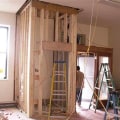
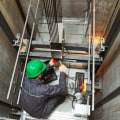
Homeowners can choose elevators that blend seamlessly with their interior design or stand out as a statement piece. This flexibility allows for a personalized touch that reflects individual style while ensuring safety and reliability. The process of elevator installation is also an important consideration. Professional services ensure that the installation is carried out efficiently and adheres to safety regulations. With the right guidance, homeowners can select an elevator that not only fits their aesthetic desires but also meets their practical requirements.
Understanding these aspects of residential elevator services sets the foundation for making informed decisions about style and design choices that enhance both the beauty and functionality of your home.
Factors Influencing Elevator Design Choices
When considering residential elevator services, several key factors influence the design choices available to homeowners. Understanding these factors can help you make informed decisions that align with your needs and preferences.- Space Availability: The amount of space you have in your home is a primary consideration. Elevators require a certain footprint, and the design must fit within the existing architecture. Compact models are available for smaller homes, while larger spaces can accommodate more elaborate designs.
- Functionality: Think about how you plan to use the elevator.
Will it primarily serve as a means of transportation between floors, or do you envision it as a stylish feature? The intended use will dictate the size, speed, and type of elevator you choose.
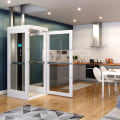
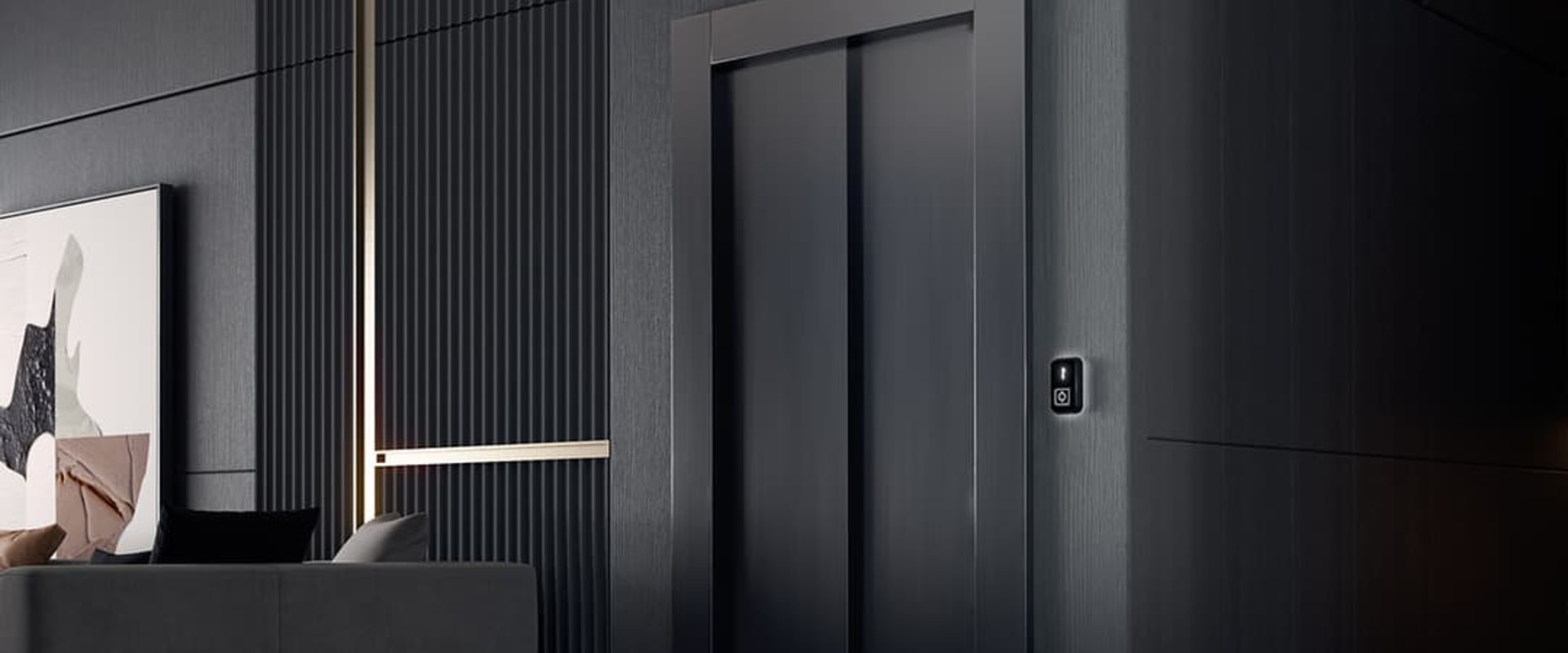
- Aesthetic Preferences: The style of your elevator should complement your home’s interior design. Options range from sleek modern designs to more traditional styles. Consider materials such as wood, glass, or metal finishes that can enhance the overall look of your space.
- Accessibility Needs: If you have family members with mobility challenges, it’s essential to choose a design that accommodates their needs. This may include features like wider doors, lower control panels, and non-slip flooring.
- Budget: Your budget will significantly influence your choices.
Custom designs can be more expensive, so it’s important to balance your desires with what you can afford. Researching different residential elevator services can help you find options that fit within your financial plan.
Types of Residential Elevators Available
When considering residential elevator services, it's essential to understand the various types of elevators available, each designed to meet specific needs and preferences. Below are the most common types of residential elevators:Hydraulic Elevators
Hydraulic elevators are a popular choice for residential settings due to their reliability and smooth operation.They use a hydraulic system to lift and lower the elevator car, which is powered by a pump that moves fluid into a cylinder. Here are some key features:
- Space Requirements: Hydraulic elevators require a machine room, which can be a consideration in smaller homes.
- Weight Capacity: They typically have a higher weight capacity, making them suitable for larger families or those needing to transport heavy items.
- Cost: Generally, hydraulic elevators are more affordable than other types, making them an attractive option for many homeowners.
Pneumatic Elevators
Pneumatic elevators, also known as vacuum elevators, operate using air pressure to move the elevator car. This innovative design offers several advantages:- Compact Design: Pneumatic elevators have a smaller footprint and do not require a machine room, making them ideal for homes with limited space.
- Energy Efficiency: They consume less energy compared to hydraulic systems, contributing to lower utility bills.
- Aesthetic Appeal: With a modern and sleek design, pneumatic elevators can enhance the overall look of your home.
Customization Options for Residential Elevators
When considering residential elevator services, one of the most appealing aspects is the ability to customize your elevator to fit your home’s aesthetic and functional needs.Homeowners can choose from a variety of custom residential elevators that reflect their personal style while ensuring safety and convenience.
Materials and Finishes
- Wood: Rich, warm wood finishes can create a classic look, perfect for traditional homes.
- Glass: For a modern touch, glass panels can be incorporated, allowing for an open feel and natural light.
- Metal: Stainless steel or aluminum options provide a sleek, contemporary appearance that is also durable.
- Fabric: Upholstered walls can add comfort and style, making the elevator feel more like a part of your living space.
Design Options
The design of your residential elevator can be tailored to match your home’s interior. Options include:
- Cabin Size: Elevators can be designed in various sizes to accommodate different spaces and needs.
- Control Panels: Choose from a range of control panel designs, including touch screens or traditional buttons, to enhance usability.
- Lighting: Custom lighting options can create ambiance and improve visibility inside the cabin.
Technology Integration
Modern residential elevators can also incorporate advanced technology for added convenience. Features such as:
- Smart Controls: Integrate with home automation systems for seamless operation.
- Sensors: Safety sensors ensure that the elevator operates smoothly and safely.
- Cameras: Security cameras can be installed for added peace of mind.
Designing for Aesthetics: Style Choices for Your Elevator
When considering residential elevator services, one of the most exciting aspects is the ability to customize the design and style of your elevator to complement your home’s decor.Homeowners can choose from a variety of styles that reflect their personal taste, whether they prefer a sleek, modern look or a more traditional aesthetic.
Modern Elevator Design
Modern elevators often feature clean lines, minimalist designs, and advanced technology. These elevators can be customized with:- Glass panels for a contemporary feel that allows natural light to flow through.
- Stainless steel finishes that provide a sleek and polished appearance.
- Smart technology integration, allowing for seamless control via smartphones or home automation systems.
Traditional Elevator Styles
If your home boasts classic architecture or vintage charm, a traditional elevator style may be more suitable. These elevators can be designed with:- Wood paneling that adds warmth and elegance.
- Ornate metalwork, such as wrought iron, to create a timeless look.
- Classic lighting fixtures, like chandeliers, to enhance the overall ambiance.
Safety and Compliance in Elevator Design
When considering residential elevator services, safety and compliance are paramount.Designing an elevator that meets safety standards not only protects users but also ensures that the installation adheres to local regulations.
Elevator Safety Standards
- The American Society of Mechanical Engineers (ASME) sets forth the ASME A17.1 code, which outlines safety requirements for elevators.
- Compliance with the National Fire Protection Association (NFPA) standards is also crucial, particularly regarding fire safety and emergency operations.
- Local building codes may impose additional requirements, so it’s essential to consult with local authorities during the design process.
Compliance Regulations
In addition to national standards, each state may have specific regulations governing residential elevators. These can include:
- Inspection requirements to ensure ongoing compliance with safety standards.
- Licensing for contractors who install and maintain elevators.
- Accessibility guidelines that ensure elevators are usable by individuals with disabilities.
Safe Elevator Design
A well-designed residential elevator incorporates several safety features:
- Emergency communication systems that allow users to call for help if needed.
- Automatic door sensors that prevent doors from closing on passengers.
- Overload sensors that prevent operation when weight limits are exceeded.
Cost Considerations for Customizing Your Elevator
When considering residential elevator services, one of the most significant factors to keep in mind is the cost associated with customizing your elevator. Customization can enhance both the functionality and aesthetic appeal of your elevator, but it also comes with a price tag that varies based on several factors.Understanding Residential Elevator Costs
The base cost of a residential elevator typically ranges from $20,000 to $50,000, depending on the type and features. However, when you opt for customization, this price can increase significantly.
Here are some key elements that influence the overall cost:
- Design Features: Custom designs, such as unique cab interiors or specialized door styles, can add thousands to your total.
- Materials: The choice of materials—like wood, glass, or metal—will impact both the look and the cost. High-end materials will naturally drive up expenses.
- Technology Upgrades: Incorporating advanced technology, such as smart controls or energy-efficient systems, can enhance usability but also increase costs.
Budgeting for Your Elevator
To effectively budget for a customized residential elevator, consider the following tips:
- Set a Realistic Budget: Determine how much you are willing to spend on both the base model and any custom features.
- Prioritize Features: Identify which custom features are essential versus those that are merely desirable. This will help you allocate funds more effectively.
- Consult Professionals: Engage with residential elevator services providers to get detailed quotes and understand potential hidden costs.
Frequently Asked Questions About Residential Elevators
When considering residential elevator services, many homeowners have questions about the design and style options available.Here are some frequently asked questions that can help clarify your concerns:
- Can I customize the design of my residential elevator?
Yes, most residential elevator services offer a range of customization options. You can choose from various materials, colors, and finishes to match your home’s aesthetic. Whether you prefer a modern glass design or a classic wooden finish, there are options to suit your style. - What are the common styles available for residential elevators?
Common styles include:- Traditional: Often features wood paneling and ornate details.
- Contemporary: Sleek lines and minimalistic designs with glass and metal.
- Industrial: Utilizes raw materials like steel and concrete for a rugged look.
- Are there size limitations for residential elevators?
Yes, the size of your elevator will depend on the space available in your home. However, many manufacturers provide compact models designed for smaller areas without compromising on style or functionality. - Can I incorporate smart technology into my elevator?
Absolutely! Many modern residential elevators can be equipped with smart technology, allowing you to control them via smartphone apps or integrate them with home automation systems. - What safety features should I consider?
Safety is paramount when choosing a residential elevator.Look for features such as:
- Emergency stop buttons
- Automatic door sensors
- Backup power systems
Conclusion: Making Informed Choices for Your Residential Elevator Design
In conclusion, selecting the right design and style for your residential elevator services is a crucial decision that can significantly impact both the functionality and aesthetic appeal of your home. Throughout this article, we have explored various aspects of residential elevators, including their design options, customization possibilities, and the importance of aligning these choices with your personal style and home architecture.When considering a residential elevator, it is essential to think about:- Space Requirements: Assessing the available space in your home will help determine the type of elevator that fits best.
- Design Aesthetics: Choose materials and finishes that complement your interior design, whether you prefer a modern look or a more traditional style.
- Functionality: Consider how often you will use the elevator and for what purposes, as this will influence the features you may want to include.
- Safety Features: Prioritize safety by selecting elevators equipped with the latest safety technology.
By prioritizing both functionality and design, you can create an elevator that seamlessly integrates into your living space while providing the necessary support for mobility and convenience.