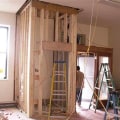
Residential elevators are becoming increasingly popular as homeowners seek to enhance accessibility and convenience within their living spaces. These innovative solutions not only provide a practical means of transportation between floors but also add a touch of luxury to any home. With various types of residential elevators available, including hydraulic, traction, and pneumatic models, homeowners can choose an option that best fits their needs and architectural style. Understanding the different residential elevator services is crucial for making an informed decision. Each type of elevator comes with its own set of features, benefits, and installation requirements.
For instance, hydraulic elevators are known for their smooth operation and are often preferred for homes with multiple stories. On the other hand, traction elevators are more energy-efficient and can be installed in smaller spaces, making them ideal for compact homes. As we explore the possibility of installing a residential elevator in outdoor spaces such as patios or decks, it’s essential to consider not only the aesthetic appeal but also the practical implications. Outdoor installations can provide seamless access to different levels of your property while enhancing its overall functionality. However, understanding the specific requirements and regulations surrounding outdoor residential elevators is key to ensuring a successful installation.
Can You Install a Residential Elevator Outdoors?
Installing a residential elevator in an outdoor space, such as a patio or deck, is not only feasible but can also enhance accessibility and convenience for homeowners.However, several factors must be considered to ensure a successful installation.
Feasibility of Outdoor Elevator Installation
When contemplating an outdoor elevator, it’s essential to assess the feasibility based on your specific location and requirements. Here are some key considerations:- Space and Design: Ensure that there is adequate space for the elevator shaft and that the design complements your outdoor aesthetics.
- Weather Resistance: Choose elevators specifically designed for outdoor use, which are built to withstand various weather conditions, including rain, snow, and extreme temperatures.
- Building Codes: Check local building codes and regulations regarding outdoor installations. Compliance is crucial to avoid legal issues.
- Accessibility Needs: Consider the specific needs of users. An outdoor elevator can provide easy access to different levels of your home or property.
Residential Elevator Services for Outdoor Installations
Engaging professional residential elevator services is vital for ensuring a safe and efficient installation.Experts can help you navigate the complexities of outdoor installations, including:
- Site Assessment: Professionals will conduct a thorough site assessment to determine the best location and type of elevator for your needs.
- Custom Solutions: Many companies offer customized solutions tailored to your specific outdoor environment and personal preferences.
- Maintenance and Support: Regular maintenance is crucial for outdoor elevators to ensure longevity and safety. Reliable services will provide ongoing support post-installation.
Types of Outdoor Residential Elevators
When considering residential elevator services for outdoor spaces, it's essential to understand the different types of elevators available that are specifically designed for external installation. These elevators not only enhance accessibility but also add value to your property.Here are some popular options:
- Hydraulic Elevators: These elevators use a hydraulic system to lift and lower the cab. They are known for their smooth operation and can be installed in various outdoor settings, including patios and decks. Hydraulic elevators are ideal for homes with limited space since they require less room for machinery.
- Screw-Driven Elevators: Utilizing a screw mechanism, these elevators are efficient and require minimal maintenance. They are often more compact than hydraulic models, making them suitable for smaller outdoor areas.
Their design allows for easy installation on uneven terrain.
- Pneumatic Elevators: Also known as vacuum elevators, these models operate using air pressure. They are visually appealing and can be a stylish addition to any outdoor space. Pneumatic elevators are typically smaller and can be installed without a pit or machine room, making them versatile for various locations.
- Platform Lifts: These lifts are designed for wheelchair access and can be installed on patios or decks to provide easy access between different levels. They are often less expensive than traditional elevators and can be customized to fit specific needs.
Consulting with residential elevator services can help you determine the best option based on your space, budget, and accessibility needs.
Key Considerations for Outdoor Elevator Installation
When considering the installation of a residential elevator in an outdoor space, such as a patio or deck, there are several key factors to keep in mind to ensure a successful and compliant project.Local Building Codes
Before proceeding with your outdoor elevator installation, it is crucial to check local building codes and regulations. These codes can vary significantly by location and may dictate specific requirements for:- Elevator dimensions and weight capacity
- Safety features such as emergency brakes and alarms
- Accessibility standards in compliance with the Americans with Disabilities Act (ADA)
Weather Resistance
Outdoor elevators must be designed to withstand various weather conditions. This includes:- Waterproofing: Ensure that the elevator components are resistant to moisture to prevent rust and corrosion.
- Temperature Extremes: Select materials that can endure high heat and freezing temperatures without compromising functionality.
- Wind Resistance: Consider the structural integrity of the elevator in high winds, especially if it is located in an exposed area.
Safety Features
The safety of users should be a top priority when installing an outdoor elevator. Essential safety features include:- Emergency Stop Buttons: Easily accessible buttons that halt operation in case of an emergency.
- Cameras or Intercoms: For added security, consider installing communication systems that allow users to call for help if needed.
- Regular Maintenance: Schedule routine inspections and maintenance checks to ensure all safety features are functioning correctly.
Cost Factors for Installing Outdoor Residential Elevators
When considering the installation of a residential elevator in an outdoor space, such as a patio or deck, understanding the cost factors involved is crucial.The overall expense can vary significantly based on several key elements.
Initial Installation Costs
The initial cost of installing an outdoor residential elevator typically ranges from $20,000 to $50,000. This price can fluctuate based on:- Type of Elevator: Different types of elevators, such as hydraulic or pneumatic, come with varying price tags. Hydraulic elevators tend to be more expensive due to their complex installation requirements.
- Height and Distance: The height the elevator needs to travel and the distance it covers will directly impact the cost. Elevators designed for greater heights or longer distances require more robust engineering and materials.
- Site Preparation: Outdoor installations often necessitate additional site preparation, including foundation work and weatherproofing measures, which can add to the overall cost.
Ongoing Maintenance Expenses
In addition to initial installation costs, homeowners should also consider ongoing maintenance expenses.Regular maintenance is essential for ensuring safety and functionality. Typical maintenance costs for outdoor residential elevators can range from $500 to $1,500 annually, depending on:
- Usage Frequency: Elevators that are used more frequently may require more regular servicing.
- Environmental Factors: Outdoor elevators are exposed to the elements, which can lead to increased wear and tear. Factors such as humidity, rain, and temperature fluctuations can necessitate more frequent inspections and repairs.
- Manufacturer Recommendations: Different manufacturers have varying guidelines for maintenance frequency and costs associated with their specific models.
Choosing the Right Residential Elevator Service Provider
When considering the installation of a residential elevator, particularly in outdoor spaces like patios or decks, selecting the right residential elevator services provider is crucial.The right company can ensure that your elevator is not only functional but also safe and aesthetically pleasing.
Experience Matters
Start by evaluating the experience of potential service providers. Look for companies that specialize in residential elevator services and have a proven track record in installing outdoor elevators. An experienced provider will understand the unique challenges posed by outdoor installations, such as weather resistance and structural integrity.
Customer Reviews and Testimonials
Next, delve into customer reviews and testimonials. Websites like Yelp, Google Reviews, and the Better Business Bureau can provide insights into the experiences of previous clients.
Pay attention to feedback regarding installation quality, customer service, and post-installation support. A company with consistently positive reviews is likely to be a reliable choice.
Service Offerings
Consider the range of services offered by each provider. A comprehensive residential elevator services company should not only handle installation but also offer maintenance and repair services. This ensures that you have ongoing support after your elevator is installed, which is essential for long-term functionality.
Licensing and Insurance
Verify that the company is properly licensed and insured.
This protects you from liability in case of accidents during installation or maintenance. A reputable provider will be transparent about their credentials and willing to provide proof upon request.
Get Multiple Quotes
Finally, don’t hesitate to obtain multiple quotes from different providers. This will give you a better understanding of the market rates for residential elevator services. However, remember that the lowest price isn’t always the best option; consider the value offered in terms of quality and service.By following these guidelines, you can confidently choose a reputable service provider for your residential elevator needs, ensuring a smooth installation process and a reliable product for years to come.
Frequently Asked Questions About Outdoor Residential Elevators
When considering the installation of a residential elevator in an outdoor space, such as a patio or deck, several common questions arise.Here are some frequently asked questions that can help clarify your concerns:
- Can I install a residential elevator outdoors?
Yes, many manufacturers offer models specifically designed for outdoor use. These elevators are built to withstand various weather conditions and are often made from materials that resist rust and corrosion. - What are the benefits of an outdoor residential elevator?
Outdoor elevators provide easy access to different levels of your home without the need for stairs. They can enhance mobility for individuals with disabilities or those who have difficulty climbing stairs, making your home more accessible. - Are outdoor elevators safe?
Yes, when installed correctly by professionals, outdoor elevators are safe. They come equipped with safety features such as emergency stop buttons, backup power systems, and safety sensors to prevent accidents. - How much maintenance do outdoor elevators require?
Like any mechanical system, outdoor elevators require regular maintenance to ensure they operate smoothly.This includes checking the electrical systems, lubricating moving parts, and inspecting the structure for any signs of wear or damage.
- What permits are needed for installation?
Before installing an outdoor residential elevator, it’s essential to check local building codes and regulations. Most areas require permits for installation, especially if the elevator will be attached to your home or affect property lines.
Conclusion: Making the Right Choice for Your Outdoor Space
In conclusion, installing a residential elevator in an outdoor space such as a patio or deck can be a transformative decision for your home. However, it is essential to approach this project with careful consideration and planning. Throughout this article, we have explored various factors that influence the feasibility and practicality of outdoor residential elevators. Here are the key points to remember:- Space and Design: Ensure that your outdoor area has sufficient space to accommodate the elevator without compromising aesthetics or functionality.
- Weather Resistance: Choose an elevator model designed for outdoor use, equipped with weatherproof features to withstand the elements.
- Building Codes and Regulations: Always check local building codes and regulations to ensure compliance, as this can affect installation and safety standards.
- Professional Installation: Engage with experienced residential elevator services to guarantee proper installation and maintenance, which is crucial for safety and longevity.
By weighing these considerations carefully, you can make an informed choice that adds value and convenience to your home. Whether you envision a sleek modern design or a more traditional look, the right residential elevator can elevate not just your home’s functionality but also its overall appeal. Take the time to consult with professionals in residential elevator services, ensuring that your investment is both practical and aesthetically pleasing.