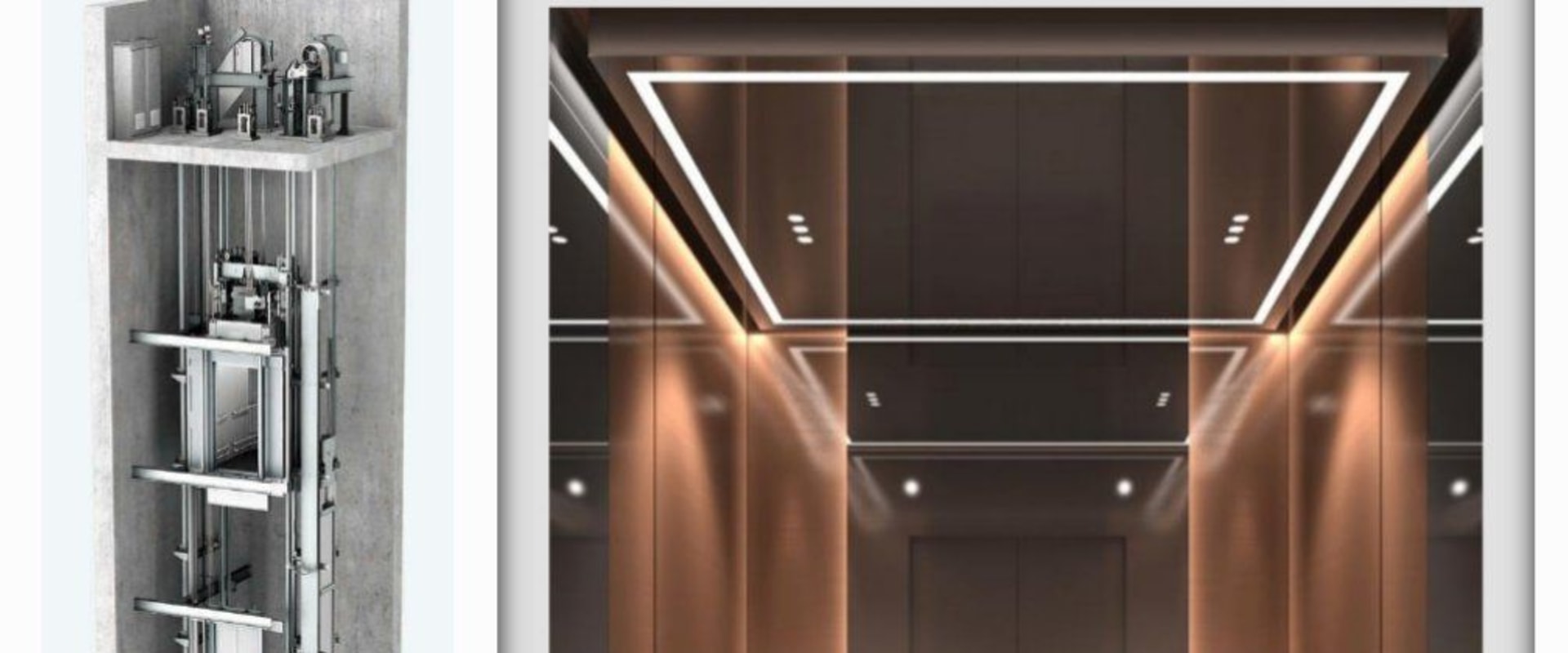
Residential elevators have become an increasingly popular feature in modern homes, providing not only convenience but also enhancing accessibility for individuals with mobility challenges. These elevators are designed to seamlessly integrate into the home environment, offering a practical solution for multi-level living. With advancements in technology, residential elevator services now cater to a variety of needs, ensuring that homeowners can choose the best option for their specific requirements. There are several types of residential elevators, each tailored to different architectural styles and personal preferences. From traditional cable-driven systems to more contemporary hydraulic and pneumatic models, the choices are vast.
Each type comes with its own set of benefits, such as energy efficiency, space-saving designs, and aesthetic appeal. Understanding these options is crucial for homeowners considering the installation of an elevator. As we delve deeper into the topic, one key question arises: is it possible to install multiple stops in a residential elevator? This consideration is essential for those looking to enhance their home's functionality while ensuring ease of access across various levels. The answer lies in understanding the capabilities of different elevator systems and the expertise offered by residential elevator services. By exploring these aspects, homeowners can make informed decisions that align with their lifestyle and home design.
What Are Multiple Stops in Residential Elevators?
In the context of residential elevators, the term multiple stops refers to the capability of an elevator system to serve more than one floor within a home.This feature is essential for multi-story residences, allowing seamless access between different levels without the need for stairs. Understanding how these systems function is crucial for homeowners considering installation.Typically, a residential elevator with multiple stops operates through a series of elevator stop systems. These systems are designed to allow the elevator car to halt at designated floors, enabling passengers to enter or exit safely. The mechanism behind this involves a combination of electrical and mechanical components that work together to ensure smooth operation.
How Multiple Stops Function
The functionality of multiple stops in residential elevators can be broken down into several key components:- Control System: The control panel inside the elevator allows users to select their desired floor.
This system communicates with the elevator's motor and drive system to ensure accurate stopping.
- Safety Mechanisms: Modern residential elevators are equipped with safety features such as door sensors and emergency brakes that activate if the elevator does not stop correctly at a designated floor.
- Drive System: The type of drive system—whether hydraulic, traction, or pneumatic—affects how smoothly and efficiently the elevator operates between multiple stops.
Benefits of Installing Multiple Stops
Installing multiple stops in a residential elevator offers numerous advantages that enhance both accessibility and convenience for homeowners.Here are some key benefits:
- Increased Accessibility: With multiple stops, a residential elevator can serve various levels of the home, making it easier for individuals with mobility challenges to access all areas without assistance. This feature is particularly beneficial for elderly family members or those recovering from injuries.
- Convenience: Having multiple stops allows residents to move between floors effortlessly, whether they are carrying groceries, laundry, or other items. This convenience can significantly reduce the physical strain associated with navigating stairs.
- Enhanced Property Value: A home equipped with a multi-stop elevator can attract potential buyers looking for modern amenities. This feature not only adds luxury but also increases the overall value of the property.
- Customizable Options: Many residential elevator services offer customizable designs that can fit seamlessly into your home’s aesthetic.
Homeowners can choose finishes and styles that complement their interior design while enjoying the functionality of multiple stops.
Is It Possible to Install Multiple Stops?
When considering residential elevator services, one of the most common inquiries is whether it is feasible to install multiple stops in a residential elevator. The answer largely depends on several technical factors, including the type of elevator system, the building's structure, and local building codes.Installing multiple stops
in a residential elevator can enhance accessibility, allowing users to reach various floors without hassle.However, this installation requires careful planning and consideration of the following:
- Type of Elevator: Different elevator systems, such as hydraulic or traction elevators, have varying capabilities. Hydraulic elevators are often more suited for buildings with fewer stops due to their design limitations.
- Space Requirements: Each stop requires adequate space for the elevator shaft and landing doors. In some cases, existing structures may not accommodate additional stops without significant renovations.
- Weight Capacity: Elevators have specific weight limits that must be adhered to. Adding multiple stops may require a reevaluation of the elevator's capacity to ensure safety and compliance.
- Local Building Codes: Regulations can vary by location, impacting the feasibility of adding multiple stops.
It's essential to consult with local authorities and adhere to all safety standards.
Factors to Consider Before Installation
When considering the installation of a residential elevator with multiple stops, several critical factors must be evaluated to ensure a successful project. Understanding these elements can help homeowners make informed decisions that align with their needs and constraints.Space Requirements
One of the primary considerations is the space requirements for the elevator system. Residential elevators typically require a dedicated shaft, which can take up significant space in your home.Homeowners should assess:
- The available vertical space in the home.
- The footprint of the elevator and how it will fit within existing layouts.
- Access points for each stop and how they will integrate with current floor plans.
Building Codes and Regulations
Another essential factor is compliance with local building codes. Different regions have specific regulations regarding elevator installations, especially when multiple stops are involved. Homeowners should:- Consult with local authorities to understand zoning laws.
- Ensure that the installation meets safety standards.
- Consider any necessary permits that may be required for construction.
Budget Constraints
The cost of installing a residential elevator can vary widely based on its design, features, and the complexity of adding multiple stops. Homeowners should:- Create a detailed budget that includes installation, maintenance, and potential future upgrades.
- Factor in ongoing costs such as electricity and inspections.
- Explore financing options or grants that may be available for home modifications.
Choosing the Right Residential Elevator Service Provider
When considering the installation of a residential elevator with multiple stops, selecting the right residential elevator services provider is crucial.A reputable service provider not only ensures a smooth installation process but also guarantees ongoing support and maintenance.Here are some key factors to consider when choosing an elevator service provider:
- Experience and Expertise: Look for companies that specialize in residential elevator services. Check their experience in installing elevators with multiple stops, as this requires specific technical knowledge.
- Licensing and Insurance: Ensure that the provider is properly licensed and insured. This protects you from liability in case of accidents during installation or maintenance.
- Customer Reviews and Testimonials: Research online reviews and ask for references. Satisfied customers can provide insights into the quality of service and reliability of the company.
- Service Offerings: Evaluate the range of services offered.
A good provider should not only install elevators but also offer maintenance and repair services to ensure long-term functionality.
- Customization Options: Since residential elevators can vary greatly, choose a provider that offers customizable solutions tailored to your home’s specific needs.
- Cost Transparency: Request detailed quotes from multiple providers. A trustworthy company will provide clear pricing without hidden fees, allowing you to make an informed decision.
FAQs About Residential Elevators with Multiple Stops
When considering residential elevator services, many homeowners have questions about the feasibility and implications of installing multiple stops. Here are some frequently asked questions that can help clarify these concerns:- Can I install a residential elevator with multiple stops?
Yes, it is entirely possible to install a residential elevator with multiple stops. Many modern systems are designed to accommodate various levels in a home, making them ideal for multi-story residences. - What are the benefits of having multiple stops?
Having multiple stops enhances accessibility throughout your home, allowing easy movement between floors.This is particularly beneficial for individuals with mobility challenges or for transporting heavy items between levels.
- Are there any limitations to consider?
While multiple stops are feasible, there are some limitations to consider, such as space requirements and the type of elevator system. It’s essential to consult with a professional to determine the best configuration for your home. - How does the installation process work?
The installation process typically involves an initial assessment by a qualified technician, who will evaluate your home’s layout and structural integrity. Following this, a customized plan will be developed to ensure that the elevator meets your specific needs. - What maintenance is required for elevators with multiple stops?
Regular maintenance is crucial for ensuring safety and functionality. This includes routine inspections, lubrication of moving parts, and checking safety features.Most residential elevator services offer maintenance packages tailored to your system.
Conclusion: Making an Informed Decision on Residential Elevators
In conclusion, the decision to install a residential elevator with multiple stops is not one to be taken lightly. Throughout this article, we have explored various aspects of residential elevator services, including the benefits, challenges, and essential considerations involved in such an installation. First and foremost, it is crucial to assess your specific needs and the layout of your home. A multi-stop elevator can significantly enhance accessibility, especially for those with mobility challenges or large families. However, it also requires careful planning and consideration of space, budget, and structural integrity.- Space Requirements: Ensure that your home can accommodate the necessary shaft and landing areas for the elevator.
- Budget Considerations: Understand that installing a multi-stop elevator can be more expensive than a single-stop model due to additional materials and labor.
- Building Codes: Familiarize yourself with local regulations and codes that may affect installation.
They can provide insights into the best options available for your home and help navigate any potential obstacles during installation. Their expertise will ensure that your elevator not only meets your needs but also adheres to safety standards. Ultimately, making an informed decision involves weighing the pros and cons while considering your long-term goals for your home. A well-planned residential elevator can add value and convenience, making it a worthwhile investment for many homeowners.