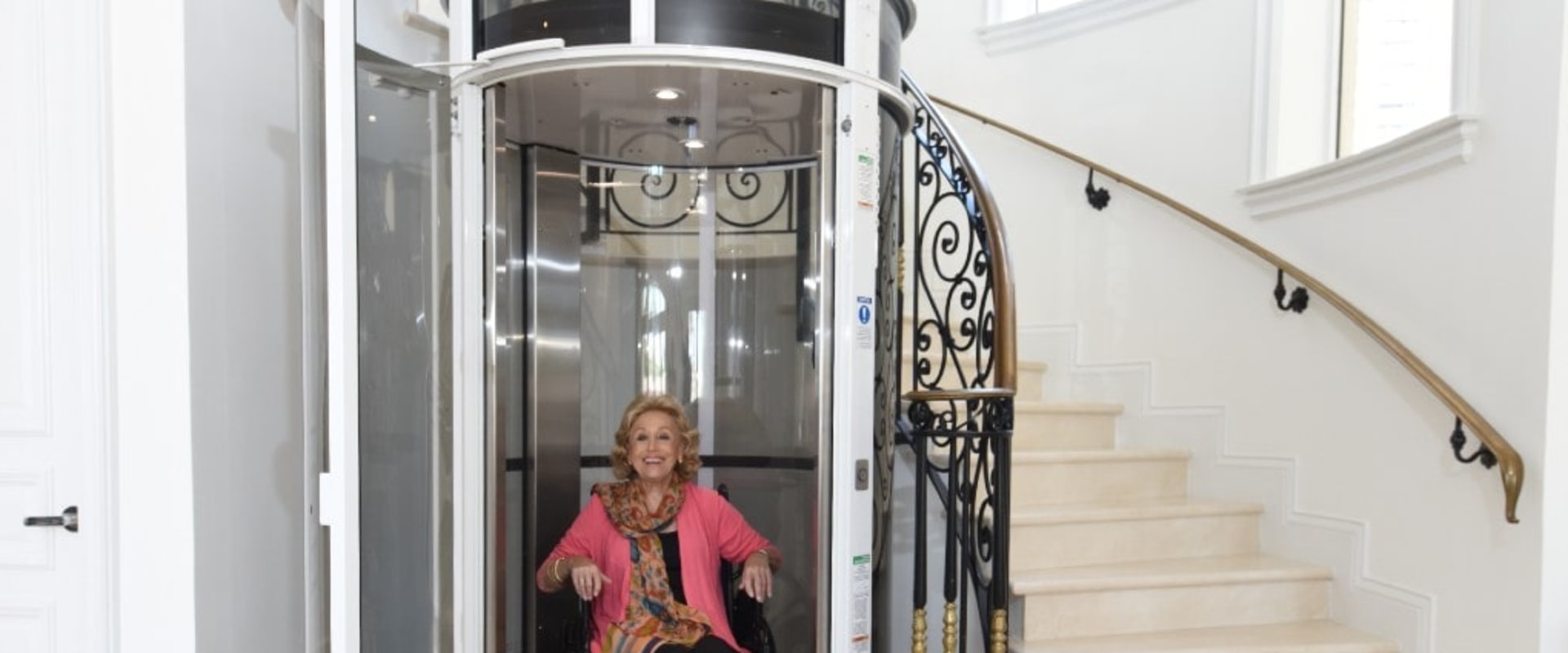
In recent years, the concept of residential elevators has gained significant traction among homeowners looking to enhance accessibility and convenience within their living spaces. These innovative systems are not just a luxury; they are becoming a practical solution for multi-story homes, allowing residents to move effortlessly between floors. As the demand for residential elevator services continues to rise, it is essential to understand the various types of elevators available and their unique features. Residential elevators come in several designs, including hydraulic, traction, and pneumatic systems, each offering distinct advantages tailored to different home environments. For instance, hydraulic elevators are known for their smooth operation and ability to carry heavier loads, making them ideal for larger households.
On the other hand, traction elevators are often favored for their energy efficiency and compact design, which can be a perfect fit for smaller homes. As more homeowners consider installing these elevators, safety becomes a paramount concern. Understanding the safety features integrated into residential elevators is crucial for ensuring peace of mind. From emergency stop buttons to backup power systems, these features are designed to protect users and provide reliable operation even in unforeseen circumstances. This growing awareness of safety standards not only enhances user confidence but also underscores the importance of choosing reputable residential elevator services that prioritize quality and safety in their installations.
Key Safety Features of Residential Elevators
When considering residential elevator services, understanding the safety features is paramount for homeowners.These elevators are designed not only for convenience but also to ensure the safety of all users. Here are some key safety features commonly found in residential elevators:
- Emergency Brakes: One of the most critical safety mechanisms, emergency brakes are designed to halt the elevator's movement in case of a malfunction. This feature ensures that the elevator does not fall uncontrollably, providing peace of mind to users.
- Door Sensors: Modern residential elevators are equipped with door sensors that prevent the doors from closing if an object or person is detected in the doorway. This feature significantly reduces the risk of injury and ensures safe entry and exit.
- Backup Power Systems: In the event of a power outage, many residential elevators come with backup power systems that allow the elevator to operate safely until power is restored.
This feature is essential for maintaining accessibility during emergencies.
- Safety Interlocks: Safety interlocks ensure that the elevator cannot move unless the doors are securely closed. This prevents accidents caused by users attempting to enter or exit while the elevator is in motion.
- Emergency Communication Systems: Most residential elevators include an emergency communication system, such as a phone or intercom, allowing users to call for help if they become trapped or experience an emergency.
Emergency Systems in Residential Elevators
When considering residential elevator services, one of the most critical aspects to evaluate is the emergency systems integrated into these elevators. These systems are designed to ensure user safety and provide peace of mind, especially in the event of a malfunction or power failure.Emergency Alarms
- Most residential elevators are equipped with an emergency alarm system that can be activated by users in distress.
This alarm alerts anyone nearby that assistance is needed.
- The sound of the alarm is typically loud enough to be heard throughout the home, ensuring that help can be summoned quickly.
Communication Systems
- Many modern residential elevators come with built-in communication systems, such as intercoms or two-way communication devices. This allows users to speak directly with someone outside the elevator, providing reassurance and facilitating a faster response.
- Some systems even connect directly to emergency services, ensuring that help is on the way without delay.
Emergency Power Backup
- A reliable emergency power backup system is essential for residential elevators. In case of a power outage, these systems allow the elevator to function temporarily, enabling users to exit safely.
- This feature is particularly important for homes with elderly residents or individuals with mobility challenges who may rely heavily on the elevator for daily activities.
Safety Protocols
- Residential elevators are designed with various safety protocols that activate during emergencies. For instance, if the elevator detects a malfunction, it will automatically stop at the nearest floor and open its doors.
- This feature minimizes the risk of users being trapped inside and ensures a safe exit.
By incorporating alarms, communication systems, emergency power backups, and robust safety protocols, these elevators provide a secure environment for all users.
Regular Maintenance and Inspections for Safety
Ensuring the safety of your residential elevator is paramount, and one of the most effective ways to achieve this is through regular maintenance and inspections. These practices not only enhance the longevity of your elevator but also ensure that all safety features are functioning as intended.Importance of Regular Maintenance
- Preventive Care: Regular maintenance helps identify potential issues before they escalate into serious problems. This proactive approach can save homeowners from costly repairs and ensure the elevator operates smoothly.
- Safety Features Check: During maintenance, technicians will inspect critical safety features such as emergency brakes, door sensors, and backup power systems. Ensuring these components are in optimal condition is essential for safe operation.
- Compliance with Regulations: Many regions have specific codes and regulations regarding elevator safety.
Regular maintenance ensures compliance, reducing liability for homeowners.
The Role of Elevator Inspections
- Professional Evaluation: Hiring professional residential elevator services for inspections guarantees a thorough evaluation by trained experts who understand the intricacies of elevator systems.
- Documentation: Inspections often come with detailed reports that document the condition of the elevator and any necessary repairs or adjustments. This documentation can be crucial for future reference or resale purposes.
- Peace of Mind: Knowing that your elevator has been inspected and maintained by professionals provides peace of mind for homeowners, especially those with children or elderly family members who may rely on the elevator.
Choosing a Reliable Residential Elevator Service Provider
When it comes to selecting a reliable residential elevator service provider, several key factors should be considered to ensure you make an informed decision. A trustworthy provider not only guarantees quality installation but also offers ongoing support and maintenance.- Certifications and Licenses: Always check if the elevator service provider holds the necessary certifications and licenses.
This ensures they comply with local regulations and industry standards, which is crucial for safety and reliability.
- Experience and Expertise: Look for companies with a proven track record in residential elevator services. Experienced providers are more likely to understand the unique challenges of residential installations and can offer tailored solutions.
- Customer Reviews: Research customer feedback on platforms like Google, Yelp, or specialized home improvement sites. Positive reviews can indicate a provider's reliability, while negative reviews may highlight potential issues.
- Service Offerings: Evaluate the range of services offered by the provider. A comprehensive service package that includes installation, maintenance, and emergency repairs can save you time and money in the long run.
- Warranty and Support: Inquire about warranties on both the elevator system and the installation work.
A good warranty reflects the provider's confidence in their product and service quality. Additionally, ensure they offer responsive customer support for any future needs.
Common FAQs About Residential Elevator Safety Features
When considering residential elevator services, many homeowners have questions about the safety features that come with these systems. Understanding these features is crucial for ensuring the safety of all users, especially in homes with children or elderly residents.- What safety features are standard in residential elevators?
Most residential elevators come equipped with a variety of safety features, including: - Emergency brakes: These are designed to stop the elevator from falling in case of a malfunction.
- Door sensors: These prevent the doors from closing if an object or person is detected in the doorway.
- Emergency stop buttons: Located inside the elevator, these allow users to halt the elevator's movement in case of an emergency.
- Battery backup: In the event of a power failure, this feature ensures that the elevator can still operate and return to a designated floor.
- How often should I have my residential elevator inspected?
Regular inspections are vital for maintaining safety. It is recommended to have your elevator inspected at least once a year by a certified technician to ensure all safety features are functioning properly.
- Are residential elevators safe for children?
Yes, when properly installed and maintained, residential elevators can be safe for children.However, it is essential to educate children about safe usage and supervise them when using the elevator.
- What should I do if I get stuck in a residential elevator?
If you find yourself stuck, remain calm and use the emergency communication system if available. Avoid attempting to exit the elevator on your own, as this can be dangerous.
Conclusion: Ensuring Safety in Your Home with Residential Elevators
In conclusion, the integration of residential elevator services into your home not only enhances accessibility but also prioritizes safety. As we have explored, modern residential elevators come equipped with a variety of safety features designed to protect users and ensure smooth operation. Key safety features include:- Emergency Stop Buttons: These allow users to halt the elevator in case of an emergency, providing peace of mind.
- Safety Sensors: These sensors detect obstructions in the elevator's path, preventing accidents and ensuring safe entry and exit.
- Automatic Door Closures: This feature minimizes the risk of accidents by ensuring that doors close securely before the elevator moves.
- Backup Power Systems: In the event of a power failure, backup systems ensure that the elevator can still operate safely, allowing users to exit without panic.
This proactive approach not only extends the lifespan of your elevator but also reinforces its safety standards. Ultimately, investing in a residential elevator is not just about convenience; it’s about creating a safe environment for all household members. By understanding and prioritizing these safety features, you can make informed decisions that enhance both accessibility and security in your home.