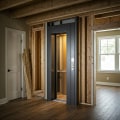
In today's modern homes, residential elevator services have become an essential feature, providing convenience and accessibility for residents. These services encompass the installation, maintenance, and repair of elevators specifically designed for residential use. Unlike commercial elevators, which are built to handle high traffic and larger loads, residential elevators are tailored to fit the unique needs of homeowners, ensuring that mobility within multi-story houses is both safe and efficient. Understanding what a residential elevator service entails is crucial for homeowners considering this investment. These services not only include the physical installation of the elevator but also extend to regular maintenance checks and emergency repairs.
This ensures that the elevator operates smoothly and safely over time, providing peace of mind to residents. Furthermore, with various types of residential elevators available—such as hydraulic, pneumatic, and traction elevators—homeowners can choose a system that best fits their space and lifestyle. The importance of residential elevator services cannot be overstated. They enhance the quality of life for individuals with mobility challenges, making it easier to navigate between floors without the strain of stairs. Additionally, these elevators can increase property value and appeal, making homes more attractive to potential buyers.
As we delve deeper into the world of residential elevators, it becomes clear that these services are not just a luxury but a practical solution for modern living.
Types of Residential Elevators
When considering residential elevator services, it’s essential to understand the various types of elevators available for home use. Each type has its unique features, benefits, and installation requirements, making it crucial to choose the right one for your needs.Hydraulic Elevators
Hydraulic elevators are one of the most common types used in residential settings. They operate using a hydraulic system that lifts the elevator car by pushing fluid into a cylinder. This type is known for its smooth ride and ability to carry heavy loads, making it ideal for multi-story homes.Additionally, hydraulic elevators require a machine room, which can take up extra space in your home.
Pneumatic Elevators
Pneumatic elevators, also known as vacuum elevators, utilize air pressure to move the elevator car. They are typically smaller and do not require a machine room, making them a great option for homes with limited space. These elevators are easy to install and can be placed almost anywhere in the house. However, they may have weight limits and are generally slower than hydraulic options.Traction Elevators
Traction elevators use a system of pulleys and cables to lift the elevator car.They are often found in taller buildings but can also be installed in residential properties. Traction elevators are energy-efficient and provide a faster ride compared to hydraulic models. They do require a machine room and more complex installation, but their durability and performance make them a popular choice for homeowners looking for long-term solutions.In summary, when exploring residential elevator services, consider the specific needs of your home and family. Whether you opt for hydraulic, pneumatic, or traction elevators, each type offers distinct advantages that can enhance accessibility and convenience in your living space.
Benefits of Installing a Residential Elevator
Installing a residential elevator offers numerous benefits that can significantly enhance the quality of life for homeowners.One of the primary advantages is increased accessibility. For families with elderly members or individuals with mobility challenges, a home elevator can provide a safe and convenient way to navigate between floors without the strain of stairs.Moreover, residential elevators contribute to convenience. Carrying heavy items such as groceries, laundry, or furniture becomes much easier when you have an elevator at your disposal. This not only saves time but also reduces the risk of injury associated with lifting heavy loads.Another compelling reason to consider residential elevator services is the potential for property value enhancement.
Homes equipped with elevators are often more attractive to prospective buyers, particularly in multi-story properties. This feature can set your home apart in a competitive real estate market, making it a worthwhile investment.Additionally, modern residential elevators come with various design options that can complement your home’s aesthetic. They can be customized to fit seamlessly into your existing decor, adding a touch of luxury and sophistication.In summary, the benefits of installing a residential elevator include:
- Increased accessibility for all family members
- Convenience in transporting items between floors
- Enhanced property value and marketability
- Aesthetic appeal through customizable designs
Key Features to Consider When Choosing a Residential Elevator Service
When selecting a residential elevator service, it is crucial to consider several key features that can significantly impact the functionality, safety, and aesthetics of your home elevator. Here are some essential aspects to keep in mind:- Safety Features: Safety should always be a top priority.
Look for elevators equipped with features such as emergency stop buttons, backup power systems, and safety brakes. Additionally, ensure that the service provider complies with local building codes and safety regulations.
- Design Options: A residential elevator should complement your home’s interior design. Many services offer customizable options, including various materials, colors, and finishes. Consider whether the elevator can be designed to fit seamlessly into your existing decor.
- Space Requirements: Evaluate the space available in your home for the installation of an elevator.
Some models require more room than others, so it’s essential to choose a service that can provide solutions tailored to your specific space constraints.
- Maintenance Services: Regular maintenance is vital for the longevity and reliability of your elevator. Inquire about the maintenance plans offered by the service provider, including frequency of inspections and repairs. A good service will provide comprehensive support to ensure your elevator remains in optimal condition.
- Installation Process: Understanding the installation process is important. Ask about the timeline, any potential disruptions during installation, and whether the service includes post-installation support.
Installation Process of Residential Elevators
Installing a residential elevator is a significant investment that requires careful planning and execution.Understanding the residential elevator installation process can help homeowners prepare for the changes and ensure a smooth transition.
1.Initial Planning
- Before installation begins, homeowners should assess their needs and the space available for the elevator. This includes determining the type of elevator that best suits their home, whether it be a hydraulic, pneumatic, or traction elevator.
- Consulting with a professional elevator service provider is crucial at this stage to discuss design options, budget, and any necessary permits.
2.Construction Requirements
- Once the planning phase is complete, the next step involves preparing the site. This may require structural modifications to accommodate the elevator shaft.
- Homeowners should be aware that some installations may necessitate additional construction work, such as reinforcing floors or creating access points.
3.Installation Steps
- Site Preparation: Clear the area where the elevator will be installed. This includes removing any obstacles and ensuring that there is adequate space for construction.
- Shaft Construction: Build or modify the elevator shaft according to the specifications provided by the elevator manufacturer.
- Elevator Assembly: The actual installation of the elevator unit takes place, which includes setting up the mechanical components and electrical systems.
- Testing: After installation, thorough testing is conducted to ensure safety and functionality.
This step is critical to confirm that all systems are operational before use.
- Final Inspection: A final inspection by local authorities or a certified inspector may be required to ensure compliance with building codes.
Maintenance and Safety Considerations for Residential Elevators
Maintaining a residential elevator is crucial for ensuring its longevity and safe operation. Regular residential elevator maintenance not only enhances performance but also minimizes the risk of accidents. Here are some key maintenance practices and safety considerations to keep in mind:- Regular Inspections: Schedule professional inspections at least once a year.
Technicians can identify potential issues before they become serious problems.
- Lubrication: Ensure that all moving parts are properly lubricated. This reduces wear and tear, helping the elevator operate smoothly.
- Cleaning: Keep the elevator shaft and components clean. Dust and debris can interfere with the elevator's mechanisms, leading to malfunctions.
- Emergency Systems: Test emergency systems regularly, including backup power and alarms. These systems are vital for safety in case of a power failure.
Safety Tips for Home Elevators
In addition to regular maintenance, adhering to safety tips can significantly enhance the safety of your residential elevator:- Educate Users: Ensure that all family members understand how to use the elevator safely, including children and elderly individuals.
- Weight Limits: Always adhere to the manufacturer’s specified weight limits to prevent overloading.
- Door Safety: Check that doors open and close properly without obstruction.
Automatic doors should have sensors to prevent closing on people or objects.
- Emergency Procedures: Familiarize yourself with emergency procedures, including how to manually operate the elevator in case of a malfunction.
Cost Factors Associated with Residential Elevator Services
When considering residential elevator services, understanding the various cost factors is crucial for homeowners. The overall expense of purchasing and installing a residential elevator can vary significantly based on several key elements.- Type of Elevator: The type of elevator you choose plays a major role in determining the cost. Options include hydraulic, traction, and pneumatic elevators, each with different price points and installation requirements.
- Installation Complexity: The complexity of the installation process can greatly affect pricing.
Factors such as the existing structure of your home, the number of floors, and whether any modifications are needed can increase labor costs.
- Customization: Custom features such as size, design, and materials can add to the overall cost. Homeowners looking for unique finishes or advanced technology may find themselves paying a premium.
- Location: Geographic location can influence costs due to variations in labor rates and local building codes. Urban areas may have higher installation costs compared to rural locations.
- Maintenance and Service Plans: After installation, ongoing maintenance is essential for safety and functionality. Homeowners should consider the costs associated with regular servicing and any potential repairs.
Additionally, it’s important to budget for potential hidden costs such as permits or structural reinforcements that may be required during installation.By understanding these pricing factors, homeowners can make informed decisions that align with their budgets while ensuring they select the right elevator solution for their needs.
Frequently Asked Questions About Residential Elevator Services
When considering residential elevator services, many homeowners have questions about the installation, maintenance, and overall functionality of home elevators. Here are some frequently asked questions that can help clarify common concerns:- What types of residential elevators are available?There are several types of residential elevators, including hydraulic, traction, and pneumatic models. Each type has its own advantages and is suited for different home designs and needs.
- How much does it cost to install a residential elevator?The cost can vary widely based on the type of elevator, the complexity of the installation, and any additional features. On average, homeowners can expect to spend between $20,000 and $50,000.
- How long does the installation process take?Installation typically takes between 2 to 4 weeks, depending on the elevator type and any necessary modifications to your home.
- What maintenance is required for residential elevators?Regular maintenance is crucial for safety and longevity.
This includes annual inspections, lubrication of moving parts, and checking safety features. Many companies offer maintenance packages as part of their residential elevator services.
- Are residential elevators safe?Yes, when installed and maintained properly, residential elevators are safe. They come equipped with various safety features such as emergency brakes, backup power systems, and door sensors.
- Can I customize my residential elevator?Absolutely! Many manufacturers offer customization options for size, design, and finishes to match your home’s aesthetic.
Conclusion: The Value of Residential Elevator Services in Modern Homes
In conclusion, residential elevator services play a crucial role in enhancing the functionality and accessibility of modern homes. As we have explored, these services are not merely a luxury but a practical solution for many homeowners, particularly those with mobility challenges or multi-story residences.Investing in a residential elevator can significantly improve the quality of life for residents by:- Enhancing Accessibility: Elevators provide easy access to all levels of a home, making it possible for individuals with disabilities or the elderly to navigate their living spaces independently.
- Increasing Property Value: Homes equipped with elevators often see an increase in market value, appealing to a broader range of potential buyers who prioritize convenience and accessibility.
- Improving Safety: Elevators reduce the risk of falls and injuries associated with stairs, offering a safer alternative for transporting heavy items or moving between floors.
- Adding Convenience: With a residential elevator, daily tasks such as carrying groceries or laundry become much easier, saving time and effort.
Homeowners can choose from various designs and features that complement their home’s decor while ensuring optimal performance.Ultimately, residential elevator services represent a forward-thinking investment in home design that prioritizes accessibility, safety, and convenience. As more families recognize the benefits of these systems, it becomes clear that they are an essential component of contemporary living.