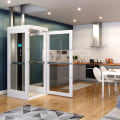
In today's modern homes, residential elevators have become an essential feature, providing convenience and accessibility for all family members. Whether you are looking to enhance the functionality of a multi-story residence or seeking to improve mobility for elderly or disabled individuals, these elevators offer a practical solution. With various types of residential elevators available, homeowners can choose options that best fit their needs and aesthetic preferences, from traditional cable-driven systems to more contemporary vacuum elevators. As the demand for residential elevator services continues to grow, so does the importance of understanding the safety measures associated with their use. Elevators are complex machines that require careful consideration and maintenance to ensure they operate safely and efficiently.
Familiarizing yourself with the safety features and guidelines is crucial for preventing accidents and ensuring a smooth experience for all users. This section will delve into the various aspects of residential elevators, including their types, benefits, and most importantly, the safety precautions that should be taken when using them. By prioritizing safety, homeowners can enjoy the advantages of their residential elevators while minimizing risks associated with their operation.
Importance of Safety Precautions in Residential Elevators
When it comes to residential elevator services, prioritizing safety is paramount. Elevators are designed to enhance convenience and accessibility, but they also come with inherent risks that can lead to serious accidents if proper precautions are not taken. Understanding the importance of safety measures can significantly reduce these risks.Residential elevator risks
can vary widely, from mechanical failures to user errors.For instance, improper use or overloading the elevator can lead to malfunctions, while lack of maintenance can result in critical failures. Additionally, individuals with mobility challenges may face heightened risks if they are not familiar with the elevator's operation.
Key Safety Measures
- Regular Maintenance: Schedule routine inspections and maintenance with certified professionals to ensure all components are functioning correctly.
- User Education: Educate all household members on how to operate the elevator safely, including emergency procedures.
- Weight Limits: Adhere strictly to the weight capacity specified by the manufacturer to prevent overloading.
- Emergency Features: Familiarize yourself with emergency features such as alarms and manual release mechanisms.
- Clear Pathways: Ensure that the area around the elevator is free from obstructions to allow for safe entry and exit.
Regular Maintenance and Inspections
Ensuring the safety and efficiency of your residential elevator is paramount, and this begins with regular maintenance and inspections. Just like any other mechanical system in your home, elevators require consistent care to function optimally and to prevent potential hazards.Why Regular Maintenance is Essential
- Preventative Care: Regular maintenance helps identify and address issues before they escalate into serious problems.
This can save you from costly repairs and ensure the elevator operates smoothly.
- Safety Assurance: A well-maintained elevator reduces the risk of accidents. Regular checks on components such as cables, brakes, and doors can prevent malfunctions that could endanger users.
- Longevity: Consistent upkeep extends the lifespan of your residential elevator. By investing in maintenance, you can enjoy years of reliable service.
The Importance of Inspections
- Compliance with Regulations: Many regions have specific codes and regulations regarding elevator safety. Regular inspections ensure that your residential elevator meets these standards, keeping you compliant and safe.
- Expert Evaluation: Professional inspectors can spot potential issues that may not be visible to the untrained eye.
Their expertise ensures that all components are functioning correctly.
- Documentation: Keeping a record of inspections can be beneficial for future reference, especially if you decide to sell your home. It demonstrates that the elevator has been well cared for.
User Guidelines for Safe Operation
Using a residential elevator safely requires adherence to specific guidelines that ensure both user safety and the longevity of the elevator system. Here are essential user guidelines for safe operation:- Weight Limits: Always adhere to the specified weight limit of your residential elevator.
This information is typically found in the user manual or on a label inside the elevator. Exceeding this limit can lead to mechanical failure or safety hazards.
- Enter and Exit Carefully: Wait for the elevator to come to a complete stop before entering or exiting. Ensure that the doors are fully open and that there are no obstructions in the doorway.
- Hold the Handrail: If your elevator is equipped with a handrail, use it for support while entering or exiting. This can help prevent falls, especially for elderly users or those with mobility issues.
- Do Not Block Doors: Never attempt to block or force open the elevator doors while they are closing.
This can cause injury and damage to the elevator system.
- Limit Distractions: Avoid using your phone or engaging in other distractions while operating the elevator. Stay focused to ensure safe entry and exit.
- Regular Maintenance: Schedule regular maintenance checks with a qualified technician to ensure that your residential elevator is functioning correctly. This includes checking safety features, door sensors, and emergency systems.
Emergency Procedures and Safety Features
When using a residential elevator, understanding the emergency procedures and safety features is crucial for ensuring the safety of all users.In the event of an elevator malfunction, knowing how to respond can make a significant difference.
Emergency Procedures
If you find yourself in an elevator that has stopped unexpectedly, follow these steps:- Stay Calm: Panic can exacerbate the situation. Take a deep breath and remain composed.
- Use the Emergency Button: Most elevators are equipped with an emergency button or intercom system. Press this button to alert building management or emergency services.
- Avoid Forceful Exits: Do not attempt to open the doors or exit the elevator yourself, as this can lead to injury.
- Wait for Help: Remain inside the elevator until help arrives. It’s safer to stay put than to risk falling or getting stuck in between floors.
Safety Features in Elevators
Modern residential elevators come with several built-in safety features designed to protect users:- Emergency Brakes: These automatically engage if the elevator descends too quickly, preventing free fall.
- Communication Systems: Many elevators have two-way communication systems that allow users to speak directly with emergency responders.
- Battery Backup: In case of a power failure, battery backup systems ensure that the elevator can still operate, allowing users to exit safely.
- Door Sensors: These prevent the doors from closing if an object or person is detected in the doorway, reducing the risk of injury.
Always ensure that your elevator is regularly maintained and inspected to keep these safety systems functioning optimally.
Common Misconceptions About Elevator Safety
When it comes to elevator safety, many people hold misconceptions that can lead to unnecessary fear or negligence. Understanding the facts is crucial for anyone considering residential elevator services.- Myth 1: Elevators are dangerous and prone to accidents. While accidents can happen, modern elevators are equipped with numerous safety features. Regular maintenance and inspections by certified professionals ensure that elevators operate safely.
- Myth 2: Elevators can fall freely if the cable breaks. This is a common fear, but elevators are designed with multiple safety systems, including brakes that engage if the cable fails. They are built to prevent free falls, making them much safer than most people believe.
- Myth 3: You should always use the stairs in an emergency. In some cases, using an elevator during emergencies can be safer, especially in buildings equipped with fire service elevators.
Always follow the building's emergency protocols and consult with your local fire department for guidance.
- Myth 4: Elevators are only for the elderly or disabled. While elevators provide essential accessibility for those with mobility challenges, they are also convenient for anyone carrying heavy items or simply wanting to avoid stairs.
FAQs About Residential Elevator Safety Precautions
When it comes to residential elevator services, safety is a top priority. Here are some frequently asked questions that can help clarify safety precautions:- What are the most important safety features in a residential elevator?
Key safety features include emergency stop buttons, door sensors, and backup power systems.These features ensure that the elevator operates safely and can be used effectively in case of power failure.
- How often should I have my residential elevator serviced?
It is recommended to schedule professional maintenance at least once a year. Regular inspections can help identify potential issues before they become serious problems, ensuring the elevator remains safe for use. - What should I do if the elevator gets stuck?
If the elevator becomes stuck, remain calm and use the emergency communication system to contact someone for help. Avoid attempting to exit the elevator on your own, as this can be dangerous. - Are there weight limits for residential elevators?
Yes, each residential elevator has a specified weight limit that should not be exceeded. Always check the manufacturer’s guidelines to ensure safe operation. - Can children use residential elevators safely?
While children can use residential elevators, adult supervision is essential.Teach children about elevator safety, including waiting for the doors to fully open before entering or exiting.
Conclusion: Prioritizing Safety in Residential Elevators
In conclusion, ensuring safety when using residential elevator services is paramount for both residents and visitors. By adhering to the safety precautions outlined throughout this article, you can significantly reduce the risk of accidents and enhance the overall experience of using your home elevator.To recap, here are the essential safety measures to keep in mind:- Regular Maintenance: Schedule routine inspections and maintenance with certified professionals to ensure that all components of your elevator are functioning correctly.
- Weight Limit Awareness: Always be aware of the weight capacity of your elevator. Overloading can lead to mechanical failures and pose serious safety risks.
- Emergency Procedures: Familiarize yourself with emergency protocols, including how to use the emergency stop button and how to communicate with emergency services if needed.
- Child and Pet Safety: Keep children and pets supervised when using the elevator.
Consider installing safety features such as door sensors or locks to prevent accidental use.
- Clear Pathways: Ensure that the area around the elevator doors is free from obstructions to facilitate safe entry and exit.