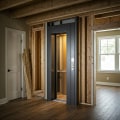
As homeowners seek to enhance their living spaces, residential elevators have emerged as a practical and luxurious solution. These elevators not only provide convenience but also significantly improve accessibility within multi-story homes. With the increasing trend of aging in place, more families are recognizing the importance of installing a residential elevator to ensure that all members, regardless of mobility challenges, can navigate their homes with ease. Understanding the weight limit for a residential elevator is crucial for homeowners considering this investment. Each elevator model comes with specific weight capacities that dictate how many passengers or how much cargo can be safely transported at one time.
This knowledge is essential not only for compliance with safety regulations but also for ensuring that the elevator meets the unique needs of your household. Moreover, the significance of residential elevator services extends beyond mere functionality. They can enhance property value, provide peace of mind, and offer a touch of elegance to your home. As you explore options for installation, being informed about weight limits and service offerings will empower you to make decisions that align with your lifestyle and future needs.
What is a Residential Elevator?
A residential elevator is a specialized lift designed for use in private homes, providing a convenient and safe means of transportation between different levels of a residence. These elevators are particularly beneficial for individuals with mobility challenges, as well as for families looking to enhance their home’s accessibility and value.There are several types of residential elevators, each tailored to meet specific needs and preferences:- Hydraulic Elevators: These elevators use a hydraulic system to lift and lower the cab.
They are known for their smooth operation and can accommodate heavier loads, making them ideal for multi-story homes.
- Screw-Driven Elevators: Utilizing a screw mechanism, these elevators are often more compact and can be installed in smaller spaces. They are energy-efficient and require less maintenance compared to hydraulic models.
- Pneumatic Elevators: Also known as vacuum elevators, these use air pressure to move the cab. They are unique in design and do not require a pit or machine room, making them suitable for retrofitting into existing homes.
- Platform Lifts: While not traditional elevators, platform lifts provide accessibility solutions for those who need assistance moving between levels. They are often used in conjunction with stairs and can be installed indoors or outdoors.
They can significantly increase the resale value of a home, provide peace of mind for aging family members, and enhance the overall aesthetic appeal of the property. Additionally, modern residential elevators come equipped with various safety features such as emergency stop buttons, backup power systems, and automatic doors, ensuring that users can travel safely between floors.In summary, a residential elevator is an invaluable addition to any home, offering both functionality and luxury while catering to the diverse needs of its occupants.
Understanding Weight Limits for Residential Elevators
When considering residential elevator services, understanding the weight limit is crucial for ensuring safety and functionality. The standard weight limit for most residential elevators typically ranges from 750 to 1,500 pounds. However, this can vary based on the model and manufacturer.It's essential to consult with your elevator service provider to determine the specific capacity of your chosen system.
Factors Affecting Weight Limits
- Design and Construction: The materials used in the elevator's construction, such as steel or aluminum, can significantly impact its weight capacity. Heavier-duty materials generally allow for higher weight limits.
- Type of Elevator: Different types of residential elevators, such as hydraulic or traction elevators, have varying capacities. Hydraulic elevators often support heavier loads compared to their traction counterparts.
- Usage Requirements: If the elevator is intended for transporting heavy items, such as furniture or appliances, it may require a higher weight limit than one primarily used for personal transport.
- Local Building Codes: Compliance with local regulations can also dictate the maximum allowable weight for residential elevators. It's important to ensure that your installation meets these standards.
If you anticipate needing to transport heavier loads down the line, opting for a model with a higher capacity can save you from potential issues later on.Ultimately, understanding the weight limits of residential elevators not only ensures compliance with safety standards but also enhances the overall utility of your home. Always work closely with experienced professionals in residential elevator services to make informed decisions tailored to your specific requirements.
Factors Influencing Weight Limits in Residential Elevators
When considering residential elevator services, understanding the factors that influence weight limits is crucial for ensuring safety and functionality. Several key elements come into play when determining how much weight a residential elevator can safely carry.Design Specifications
The design of the elevator itself is one of the primary factors affecting its weight limit. Elevators are engineered with specific load capacities based on their intended use.For instance, a standard residential elevator typically has a weight limit ranging from 750 to 1,500 pounds. This capacity is influenced by:
- Car Size: Larger elevator cars can accommodate more weight.
- Motor Power: The strength of the motor directly impacts how much weight the elevator can lift.
- Structural Integrity: The materials used in construction, such as steel or aluminum, contribute to the overall strength and durability of the elevator.
Materials Used
The choice of materials plays a significant role in determining the weight limit. High-quality materials not only enhance safety but also improve the longevity of the elevator system. For example, elevators constructed with reinforced steel frames can support heavier loads compared to those made with lighter materials.Safety Standards
Compliance with safety regulations is another critical factor influencing weight limits.Residential elevators must adhere to local and national codes, such as those set by the American Society of Mechanical Engineers (ASME) and the National Elevator Industry, Inc. (NEII). These standards ensure that elevators are designed to handle specified loads safely, incorporating features like:
- Overload Sensors: These devices prevent operation if the weight exceeds safe limits.
- Emergency Braking Systems: Essential for stopping the elevator safely in case of malfunction.
Common Weight Limits for Different Types of Residential Elevators
When considering residential elevator services, understanding the weight limits of different types of elevators is crucial for ensuring safety and functionality.The two most common types of residential elevators are hydraulic and traction elevators, each with distinct specifications and weight capacities.
Hydraulic Elevators
Hydraulic elevators typically have a weight limit ranging from 1,000 to 2,500 pounds. These elevators operate using a hydraulic system that lifts the cab by pushing fluid into a cylinder. This design allows for a smooth ride and is particularly beneficial for homes with limited space. Common specifications include:- Capacity: 1,000 to 2,500 pounds
- Speed: 30 to 40 feet per minute
- Travel Distance: Up to 50 feet
Traction Elevators
On the other hand, traction elevators generally support a higher weight limit, often between 1,500 and 3,500 pounds.These elevators use a system of pulleys and cables to lift the cab, making them suitable for larger homes or those requiring more capacity. Typical specifications include:
- Capacity: 1,500 to 3,500 pounds
- Speed: 100 to 200 feet per minute
- Travel Distance: Up to 150 feet
Choosing the Right Residential Elevator Based on Weight Capacity
When it comes to choosing a residential elevator, understanding the weight capacity is crucial.Residential elevators are designed to accommodate various needs, and selecting one that meets your specific weight requirements can enhance both safety and functionality.
Weight capacity considerations
typically range from 400 to 1,500 pounds, depending on the model and manufacturer. Here are some key factors to consider:- Household Size: Consider the number of people who will regularly use the elevator. If you have a large family or frequently host guests, opting for a higher weight capacity may be wise.
- Mobility Aids: If you or a family member uses a wheelchair, walker, or other mobility aids, ensure the elevator can accommodate both the user and any additional equipment.
- Future Needs: Think about potential changes in your household. If you anticipate needing to transport heavier items or additional family members in the future, it may be beneficial to choose an elevator with a higher weight limit.
Experts can assess your home’s layout and recommend elevators that not only meet your weight requirements but also fit seamlessly into your living space. They can also guide you through local building codes and regulations that may affect installation.Ultimately, selecting the right residential elevator based on weight capacity is about ensuring safety and convenience for all users. By taking the time to evaluate your specific needs and consulting with professionals, you can make an informed decision that enhances your home’s accessibility.
FAQs About Residential Elevator Weight Limits
When considering residential elevator services, one of the most common concerns is the weight limit of the elevator. Understanding these limits is crucial for ensuring safety and functionality in your home.What is the typical weight limit for residential elevators?
Most residential elevators have a weight capacity ranging from 750 to 1,500 pounds.The specific limit can vary based on the model and manufacturer, so it’s essential to consult with your residential elevator service provider for precise specifications.
Can I exceed the weight limit?
Exceeding the weight limit of a residential elevator is strongly discouraged. Doing so can lead to mechanical failures, safety hazards, and potential damage to the elevator system. Always adhere to the recommended weight guidelines provided by your residential elevator services.What factors influence the weight capacity?
- Design and materials: The construction quality and materials used in the elevator significantly affect its weight capacity.
- Type of elevator: Different types of elevators (hydraulic, traction, etc.) have varying weight limits based on their operational mechanisms.
- Usage frequency: Elevators designed for frequent use may have higher weight limits compared to those intended for occasional use.
Are there options for higher weight capacities?
If your household requires a higher weight capacity due to mobility aids or multiple users, many manufacturers offer custom solutions. Discuss your needs with your residential elevator service provider to explore options that can accommodate larger loads safely.In summary, understanding the weight limits of residential elevators is vital for safe operation.Always consult with professionals to ensure that your elevator meets your specific needs while adhering to safety standards.
Conclusion: Key Takeaways on Residential Elevator Weight Limits
In summary, understanding the weight limits of residential elevators is crucial for homeowners considering installation. These limits are influenced by various factors, including the type of elevator, its design, and the materials used in construction.Key takeaways
regarding weight limits include:- Standard Capacity: Most residential elevators have a standard weight limit ranging from 750 to 1,500 pounds. This capacity typically accommodates multiple passengers or a combination of passengers and cargo.
- Customization Options: Homeowners can often customize their elevators to meet specific needs, which may include increasing the weight limit. Consulting with residential elevator services can provide insights into available options.
- Safety Considerations: Adhering to the specified weight limit is essential for safety.
Overloading an elevator can lead to mechanical failures and pose risks to users.
- Regulatory Compliance: Different regions may have specific regulations governing elevator installations, including weight limits. It’s important to ensure compliance with local building codes.