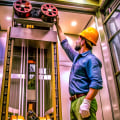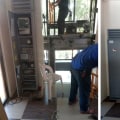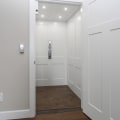
In recent years, the demand for residential elevator services has surged, reflecting a significant shift in how homeowners view mobility within their living spaces. As more families seek to enhance their homes with modern conveniences, the installation of home elevators has become a popular choice. This trend is not just about luxury; it also addresses practical needs, particularly for those with mobility challenges or multi-story homes. The benefits of installing a home elevator extend beyond mere convenience. They can significantly increase the value of a property, making it more appealing to potential buyers.
Additionally, home elevators can improve accessibility for elderly family members or individuals with disabilities, allowing them to navigate their homes safely and independently. With advancements in technology, these elevators are now available in various styles and sizes, seamlessly integrating into the aesthetic of any home. As the popularity of home elevators continues to rise, it raises an important question: do you need to have your home inspected before installation? Understanding the structural requirements and potential modifications needed for a successful installation is crucial. A thorough inspection can help identify any underlying issues that may affect the installation process and ensure that your investment in residential elevator services is both safe and effective.
What is a Home Inspection?
A home inspection is a comprehensive evaluation of a property's condition, typically conducted by a certified professional. This process is crucial, especially when considering significant modifications like the installation of a residential elevator.Understanding what a home inspection entails can help homeowners make informed decisions.
The Home Inspection Process
The home inspection process generally involves several key steps:- Scheduling the Inspection: Homeowners should arrange for an inspection at a convenient time, ideally before any major renovations.
- Initial Walkthrough: The inspector will perform an initial walkthrough to identify visible issues and areas that require closer examination.
- Detailed Evaluation: The inspector will assess various components of the home, including the foundation, roof, plumbing, electrical systems, and more.
- Report Generation: After the inspection, a detailed report is provided, outlining findings and recommendations.
What to Expect from a Home Inspection
During a home inspection, homeowners can expect the inspector to focus on several critical areas:- Structural Integrity: Evaluating the foundation and framing to ensure they can support additional weight from an elevator.
- Electrical Systems: Checking if the existing electrical system can handle the power requirements of a residential elevator.
- Accessibility: Assessing door widths and hallways to determine if they can accommodate an elevator installation.
- Safety Features: Identifying any necessary safety upgrades that may be required for compliance with local codes.
Home Inspection Checklist
A thorough home inspection checklist may include:- Roof Condition: Inspecting for leaks or damage that could affect elevator installation.
- Pest Infestation: Checking for signs of termites or other pests that could compromise structural integrity.
- HVAC Systems: Ensuring heating and cooling systems are functioning properly to maintain comfort levels during construction.
- Basement and Crawl Space: Evaluating moisture levels and structural support in these areas.
Why You Should Consider a Home Inspection Before Installing a Residential Elevator
Installing a residential elevator can significantly enhance the accessibility and convenience of your home, especially for those with mobility challenges. However, before proceeding with such an installation, it is essential to consider a thorough home inspection. Here are several reasons why this step should not be overlooked:- Safety Concerns: A home inspection can identify potential safety hazards that may not be immediately visible.
Issues such as faulty wiring, inadequate support structures, or existing damage can pose serious risks when integrating an elevator into your home.
- Structural Integrity: Elevators require a solid foundation and appropriate structural support. An inspection will assess whether your home’s current framework can accommodate the additional weight and stress that an elevator will impose. This evaluation is crucial to prevent future structural failures.
- Compliance with Local Building Codes: Different regions have specific regulations regarding the installation of residential elevators. A professional inspection ensures that your home meets all local building codes and safety standards, which can save you from costly fines or the need for expensive modifications later on.
- Cost-Effectiveness: Identifying issues early through a home inspection can lead to significant cost savings.
Addressing structural problems before installation can prevent unexpected expenses related to repairs or modifications after the elevator is installed.
Key Factors to Assess During a Home Inspection for Elevator Installation
When considering the installation of a residential elevator, a thorough home inspection is essential to ensure that your property can accommodate this addition safely and effectively. Here are the key factors to assess during the inspection:- Structural Integrity: The foundation and overall structure of your home must be evaluated to determine if they can support the weight and operational demands of an elevator.
This includes checking for any signs of damage or deterioration in load-bearing walls and beams.
- Space Availability: Assessing the available space is crucial. Elevators require a specific footprint, including room for the shaft and any necessary machinery. Measure the area where the elevator will be installed to ensure it meets the required dimensions.
- Ceiling Height: The height of the ceilings in your home is another critical factor. Elevators need adequate vertical space not only for the cab but also for the overhead machinery.
Insufficient ceiling height can limit your options.
- Access Points: Consider how the elevator will connect different floors. The location of existing staircases, doorways, and hallways can impact where you can install an elevator. Ensure that there is a clear path for installation without major renovations.
- Electrical Requirements: Elevators require a reliable power source. During the inspection, evaluate your home’s electrical system to ensure it can handle the additional load and that there are appropriate outlets available near the installation site.
Common Issues Found in Home Inspections Relevant to Elevator Installations
When considering the installation of a residential elevator, it is crucial to be aware of potential issues that may arise during a home inspection.These common problems can significantly affect the feasibility and safety of your elevator project.
- Structural Integrity: One of the primary concerns is the structural integrity of your home. Inspectors will evaluate whether the existing framework can support the additional weight and stress that an elevator imposes. Issues such as weakened beams, sagging floors, or inadequate load-bearing walls can complicate installation.
- Electrical Systems: Elevators require a reliable power source. An inspection may reveal outdated or insufficient electrical systems that need upgrading to meet modern safety standards.
This could involve rewiring or enhancing circuit capacity, which adds to the overall project cost.
- Space Constraints: The available space for the elevator shaft is another critical factor. Home inspections often uncover unexpected obstacles, such as plumbing or ductwork, that may interfere with the installation process. If the designated area is too small or improperly configured, it could necessitate significant renovations.
- Accessibility Issues: Elevators are designed to improve accessibility, but if your home has narrow hallways or doorways, these may need to be widened to accommodate the elevator's entry and exit points. This can lead to additional construction work and costs.
- Compliance with Local Codes: Each municipality has specific building codes and regulations regarding elevator installations.
A thorough inspection will ensure that your home complies with these codes, which may require modifications to your plans or additional permits.
Choosing the Right Residential Elevator Services Provider
When it comes to installing a residential elevator, choosing the right residential elevator services provider is crucial for ensuring safety, reliability, and quality. Here are some key factors to consider when selecting an elevator service company:- Experience and Reputation: Look for companies with a proven track record in the industry. Check online reviews, testimonials, and ask for references to gauge their reputation.
- Licensing and Insurance: Ensure that the provider is properly licensed and insured.
This protects you from liability in case of accidents during installation or maintenance.
- Range of Services: A good provider should offer a comprehensive range of services, including installation, maintenance, and repair. This ensures that you have a single point of contact for all your elevator needs.
- Customization Options: Every home is unique, so it’s important to choose a provider that offers customizable solutions tailored to your specific requirements.
- What types of elevators do you install? Understanding the options available can help you choose the best fit for your home.
- What is your installation timeline? Knowing how long the process will take can help you plan accordingly.
- Do you provide ongoing maintenance services? Regular maintenance is essential for the longevity and safety of your elevator.
- Can you provide references from previous clients? Speaking with past customers can give you insight into their experiences with the company.
FAQs About Home Inspections and Residential Elevators
When considering the installation of a residential elevator, many homeowners wonder about the necessity of a home inspection. Here are some frequently asked questions that can help clarify this important aspect:- Do I need an inspection for an elevator?
Yes, it is highly recommended to have a home inspection before installing a residential elevator. An inspection can identify any structural issues or modifications needed to support the elevator's weight and operation. - What does a home inspection for an elevator involve?
A qualified inspector will evaluate your home’s structure, including the foundation, walls, and existing staircases.They will also assess the electrical systems to ensure they can handle the additional load of the elevator.
- How can a home inspection benefit my elevator installation?
By identifying potential issues early, a home inspection can save you time and money in the long run. It ensures that your residential elevator is installed safely and complies with local building codes. - Are there specific codes or regulations I should be aware of?
Yes, residential elevators must meet specific safety standards and building codes. A thorough inspection will help ensure compliance with these regulations, which vary by location.
Conclusion: The Importance of Being Prepared Before Installing a Residential Elevator
In conclusion, conducting a thorough home inspection before installing a residential elevator is not just a precaution; it is a vital step in ensuring the safety, functionality, and longevity of your investment.A home inspection can uncover potential issues that may affect the installation process and the overall performance of the elevator.Here are some key reasons why a home inspection is essential:
- Structural Integrity: An inspection will assess whether your home can support the weight and operational demands of a residential elevator. This includes evaluating the foundation, walls, and any existing structures that may be impacted.
- Compliance with Building Codes: Local building codes often dictate specific requirements for elevator installations. A professional inspection can help ensure that your home meets these regulations, avoiding costly modifications later on.
- Safety Considerations: Safety should always be a priority. An inspection can identify hazards such as electrical issues or inadequate space that could pose risks during and after installation.
- Cost Efficiency: Addressing any underlying issues before installation can save you money in the long run.
By identifying problems early, you can avoid unexpected expenses that may arise from retrofitting or repairs after the elevator is installed.