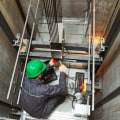
When considering the convenience and accessibility of a multi-story home, residential elevator services offer an innovative solution that enhances both functionality and comfort. These elevators are specifically designed for residential use, providing a seamless way to navigate between floors without the physical strain of stairs. With various types available, homeowners can choose an elevator that best fits their space and lifestyle needs. There are several types of residential elevators, including hydraulic, traction, and pneumatic models. Hydraulic elevators are known for their smooth operation and ability to carry heavier loads, making them ideal for larger homes.
Traction elevators, on the other hand, are more energy-efficient and require less maintenance, while pneumatic elevators offer a unique aesthetic appeal with their tube-like design. Each type comes with its own set of advantages, allowing homeowners to select an option that aligns with their specific requirements. The benefits of installing a residential elevator extend beyond mere convenience. They significantly improve accessibility for individuals with mobility challenges, ensuring that every member of the household can move freely throughout the home. Additionally, residential elevators can increase property value and appeal to potential buyers who prioritize modern amenities.
By investing in residential elevator services, homeowners not only enhance their living experience but also future-proof their homes against changing needs.
Can You Install a Residential Elevator in a Multi-Story Home?
Installing a residential elevator in a multi-story home is not only feasible but can also significantly enhance the functionality and accessibility of your living space. However, several factors must be considered to ensure a successful installation.Feasibility Factors
- Space Requirements: One of the primary considerations is the available space. Residential elevators typically require a shaft or hoistway, which can be integrated into the existing structure or built as an addition. Assessing the layout of your home is crucial to determine if there is adequate room for installation.
- Weight Capacity: Different models of residential elevators come with varying weight capacities.
It’s essential to choose an elevator that meets your needs, especially if you plan to transport heavy items or multiple passengers.
- Building Codes: Local building codes and regulations play a significant role in the installation process. It’s important to consult with local authorities or a professional installer to ensure compliance with safety standards.
Types of Residential Elevators
- Shaftless Elevators: These are ideal for homes with limited space and can be installed without a traditional elevator shaft.
- Hydraulic Elevators: Known for their smooth operation, hydraulic elevators are suitable for multi-story homes but require more space for the machinery.
- Pneumatic Elevators: These use air pressure to move the cab and are often easier to install in existing homes due to their compact design.
Key Considerations for Installation
When considering the installation of a residential elevator in a multi-story home, several key factors must be taken into account to ensure a successful and compliant installation.Residential Elevator Installation Requirements
The first step in the installation process is to understand the specific requirements for residential elevators. These can vary based on the type of elevator chosen, such as hydraulic, pneumatic, or traction elevators.Each type has its own set of specifications regarding power supply, weight capacity, and operational mechanics. It is crucial to consult with a professional who specializes in residential elevator services to determine which type best suits your home and needs.
Space Requirements for Elevators
Space is another critical consideration. A residential elevator typically requires a dedicated shaft or hoistway, which can take up significant space within your home. The dimensions of the elevator car itself will also dictate the size of the shaft needed.Most residential elevators require a minimum width of 36 inches and a depth of 48 inches, but these measurements can vary based on the model. Additionally, you must account for any necessary clearance above and below the elevator to ensure safe operation.
Building Codes for Residential Elevators
Compliance with local building codes is essential when installing a residential elevator. These codes are designed to ensure safety and accessibility for all users. They may dictate aspects such as the elevator's load capacity, emergency features, and even the materials used in construction.Before proceeding with installation, it is advisable to check with your local building authority or hire a contractor familiar with these regulations to avoid potential legal issues.In summary, installing a residential elevator involves careful consideration of installation requirements, space constraints, and adherence to building codes. Engaging with experienced professionals in residential elevator services can help navigate these complexities and ensure a smooth installation process.
Types of Residential Elevators Suitable for Multi-Story Homes
When considering residential elevator services for a multi-story home, it's essential to understand the different types of elevators available. Each type has unique features and benefits that cater to various needs and preferences.Hydraulic Elevators
Hydraulic elevators are a popular choice for residential settings due to their smooth operation and reliability. They use a hydraulic system to lift the cab, which is powered by a pump that moves fluid into a cylinder.Here are some key advantages:
- Space Efficiency: Hydraulic elevators require less overhead space compared to other types, making them suitable for homes with limited vertical clearance.
- Weight Capacity: They can typically handle heavier loads, making them ideal for transporting bulky items or multiple passengers.
- Quiet Operation: The hydraulic system operates quietly, ensuring minimal disruption in your home.
Pneumatic Elevators
Pneumatic elevators, also known as vacuum elevators, utilize air pressure to move the cab up and down. This innovative design offers several benefits:- Minimal Footprint: Pneumatic elevators have a compact design and do not require a machine room, making them perfect for smaller homes.
- Energy Efficiency: They consume less energy compared to traditional elevators, contributing to lower utility bills.
- Aesthetic Appeal: With a modern look and transparent design, pneumatic elevators can enhance the visual appeal of your home.
Home Lift Options
In addition to hydraulic and pneumatic options, there are other home lift solutions available:- Screw-Driven Elevators: These elevators use a screw mechanism for movement and are known for their durability and low maintenance.
- Platform Lifts: Ideal for accessibility, platform lifts can be installed in various locations and are designed for easy entry and exit.
Cost Factors Involved in Installing a Residential Elevator
When considering the installation of a residential elevator in a multi-story home, understanding the cost factors involved is crucial for effective budgeting. The overall expense can vary significantly based on several key elements.- Type of Elevator: The choice between a hydraulic, traction, or pneumatic elevator will greatly influence the cost.
Hydraulic elevators tend to be more affordable but may require more space, while traction elevators are often more efficient and quieter but come at a higher price.
- Installation Complexity: The layout of your home plays a significant role in installation costs. If your home requires extensive structural modifications to accommodate the elevator shaft, expect higher labor and material costs.
- Customization: Custom features such as cab design, finishes, and control systems can add to the overall price. Opting for high-end materials or unique designs will increase your budget.
- Location: Regional differences in labor costs and building codes can affect installation prices. Urban areas may have higher costs due to demand and regulations.
- Permits and Inspections: Securing the necessary permits and undergoing inspections can incur additional fees.
It's essential to factor these into your overall budget.
Choosing the Right Residential Elevator Service Provider
When considering the installation of a residential elevator in your multi-story home, selecting the right residential elevator services provider is crucial. A reliable service provider not only ensures a smooth installation process but also guarantees ongoing support and maintenance.Here are some key factors to consider when choosing an elevator service company:- Experience and Expertise: Look for companies with a proven track record in residential elevator services.
Check how long they have been in business and their experience with similar installations.
- Licensing and Insurance: Ensure that the service provider is properly licensed and insured. This protects you from liability in case of accidents during installation or maintenance.
- Customer Reviews and Testimonials: Research online reviews and ask for references. Feedback from previous clients can provide insight into the company’s reliability and quality of service.
- Range of Services: Evaluate whether the company offers comprehensive services, including installation, maintenance, and emergency repairs. A one-stop shop can simplify your experience.
- Customization Options: Discuss your specific needs with potential providers.
A good company should offer customizable solutions that fit your home’s design and your personal preferences.
- Post-Installation Support: Inquire about the support they provide after installation. Regular maintenance is essential for the longevity of your elevator, so ensure they offer ongoing service plans.
Frequently Asked Questions About Residential Elevators in Multi-Story Homes
When considering residential elevator services for a multi-story home, many homeowners have questions and concerns. Here are some of the most frequently asked questions:- Can I install a residential elevator in my existing home?
Yes, many homeowners opt to install elevators in existing multi-story homes. Depending on the layout and available space, various types of elevators can be integrated into your home without extensive renovations. - What are the space requirements for a residential elevator?
The space needed varies by elevator type.Traditional elevators typically require a shaft, while residential elevators like pneumatic or shaftless models may need less space. Consulting with a professional can help determine the best option for your home.
- Are residential elevators safe?
Absolutely! Modern residential elevators are equipped with numerous safety features, including emergency brakes, backup power systems, and safety sensors. Regular maintenance ensures they remain safe and functional. - Will installing an elevator increase my home’s value?
Yes, adding a residential elevator can enhance your home's value and appeal, especially for families planning to age in place or those with mobility challenges. - What are common myths about residential elevators?
Many people believe that elevators are only for luxury homes or that they require extensive construction. In reality, there are affordable options suitable for various budgets and homes.
Whether you’re looking to improve accessibility or add convenience to your multi-story home, understanding the facts is crucial.
Conclusion: Making the Right Choice for Your Home
In conclusion, the decision to install a residential elevator in a multi-story home is not one to be taken lightly. It involves careful consideration of various factors that can significantly impact your living experience and property value. Throughout this article, we have explored the numerous benefits of having a residential elevator, including enhanced accessibility, increased home value, and improved convenience for all family members. However, it is equally important to weigh these advantages against potential challenges such as installation costs, space requirements, and ongoing maintenance.Key Considerations
- Space Availability: Ensure that your home has adequate space for the elevator shaft and machinery without compromising the layout of your living areas.
- Budget: Assess your financial readiness for both the initial installation and future maintenance costs associated with residential elevator services.
- Building Codes: Familiarize yourself with local building regulations and codes that may affect the installation process.
- Long-term Needs: Consider how your needs may change over time. A residential elevator can be a valuable asset as mobility needs evolve.
They can help you navigate the complexities of installation while ensuring compliance with safety standards. By taking the time to evaluate all these factors, you can make an informed decision that enhances your home’s functionality and comfort for years to come. Whether you choose to move forward with an installation or explore alternative solutions, understanding your options is key to making the right choice for your household.