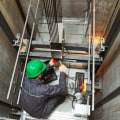
As homeowners seek to enhance their living spaces, residential elevators have emerged as a practical and luxurious solution. These elevators are designed specifically for private residences, offering a convenient way to navigate multi-story homes. With various types available, including hydraulic, traction, and pneumatic elevators, homeowners can choose an option that best fits their needs and architectural style. Each type comes with its own set of features and benefits, making it essential to understand the differences before making a decision. The benefits of installing a residential elevator extend beyond mere convenience.
For families with young children or elderly members, these elevators provide a safe and accessible means of moving between floors. They can significantly improve the quality of life by reducing the physical strain associated with climbing stairs. Additionally, residential elevators can increase the overall value of a home, making it more appealing to potential buyers in the future. Moreover, modern residential elevators are designed with aesthetics in mind, seamlessly integrating into the home’s decor while offering advanced technology for smooth operation. Whether you are considering a new construction project or looking to retrofit an existing home, understanding the options available in residential elevator services is crucial for making an informed choice that enhances both functionality and style.
Can Residential Elevators Be Installed in Existing Homes?
Installing a residential elevator in an existing home is not only feasible but also increasingly popular among homeowners looking to enhance accessibility and convenience.While the process may involve some challenges, with the right planning and professional assistance, retrofitting a residential elevator can significantly improve the functionality of your home.
Feasibility of Installation
Many homeowners wonder if their current structure can accommodate an elevator. The answer largely depends on the layout and design of the home. Key factors to consider include:
- Space Availability: Sufficient space is required for the elevator shaft, which may necessitate modifications to existing walls or rooms.
- Structural Integrity: The home must be able to support the weight and mechanics of the elevator, which may require reinforcement.
- Access Points: Consideration must be given to where the elevator will enter and exit on each floor.
Retrofitting Options
There are several types of elevators suitable for retrofitting in existing homes:
- Shaftless Elevators: These are ideal for homes with limited space, as they do not require a traditional shaft and can be installed in smaller areas.
- Pneumatic Elevators: Utilizing air pressure, these elevators are compact and can be installed with minimal structural changes.
- Traditional Elevators: While more complex, traditional elevators can be installed if there is adequate space for a shaft.
Considerations for Installation
Before proceeding with installation, homeowners should consult with professionals who specialize in residential elevator services. They can provide insights into local building codes, necessary permits, and potential costs.
Additionally, it’s essential to consider:
- Budget: Retrofitting can vary significantly in cost based on the type of elevator and modifications needed.
- Aesthetic Impact: Consider how the installation will affect the overall look and feel of your home.
- Future Needs: Think about long-term accessibility needs when choosing an elevator type.
Factors to Consider for Existing Home Installations
When considering residential elevator services for an existing home, several critical factors must be evaluated to ensure a successful installation. These factors include space requirements, structural integrity, and compliance with local building codes.Space Requirements
One of the primary considerations is the available space for the elevator. Unlike new constructions where elevators can be integrated into the design, existing homes may have limitations.Homeowners should assess:
- Vertical Space: The height between floors must accommodate the elevator shaft and any necessary machinery.
- Footprint: The base area required for the elevator must fit within the existing layout without compromising living space.
- Access Points: Consideration of how the elevator will connect to each floor is crucial, including door placements and hallways.
Structural Considerations
The structural integrity of the home is another vital factor. Installing an elevator may require modifications to support its weight and operation. Key aspects include:- Load-Bearing Walls: Identifying which walls can support the additional load is essential. Consulting with a structural engineer can provide insights into necessary reinforcements.
- Foundation Stability: The foundation must be assessed to ensure it can handle the installation without compromising safety.
- Ceiling Height: Adequate ceiling height is necessary not only for the elevator but also for user comfort and safety.
Local Building Codes
Lastly, compliance with local building codes cannot be overlooked.Each municipality has specific regulations regarding elevator installations, which may include:
- Safety Standards: Elevators must meet safety requirements to protect users.
- Zoning Laws: Some areas may have restrictions on modifications to existing structures.
- Permitting Processes: Homeowners will need to navigate local permitting processes, which can vary significantly.
Types of Residential Elevators Suitable for Existing Homes
When considering residential elevator services for existing homes, it's essential to understand the various types of elevators available. Each type has unique features that cater to different needs and home layouts.Hydraulic Elevators
Hydraulic elevators are a popular choice for residential installations due to their reliability and smooth operation. They use a hydraulic system to lift and lower the elevator car, making them suitable for homes with multiple floors.One of the significant advantages of hydraulic elevators is their ability to carry heavy loads, which is ideal for transporting furniture or other bulky items. However, they do require a machine room, which can be a limitation in some existing homes.
Pneumatic Elevators
Pneumatic elevators operate using air pressure and are known for their sleek design and minimal footprint. These elevators are particularly advantageous for retrofitting into existing homes because they do not require a traditional shaft or machine room. Instead, they can be installed in a small space, making them an excellent option for homes with limited room for installation.Additionally, pneumatic elevators are often more energy-efficient and can be powered by standard household electricity.
Shaftless Elevators
Shaftless elevators are another innovative solution for existing homes. As the name suggests, these elevators do not require a shaft, allowing for easier installation in tight spaces. They are typically designed for short distances, making them ideal for two-story homes or split-level designs. While they may not have the same weight capacity as hydraulic or pneumatic options, shaftless elevators provide a practical solution for homeowners looking to enhance accessibility without extensive renovations.In summary, when exploring residential elevator services for an existing home, consider the specific needs of your household and the available space.Hydraulic, pneumatic, and shaftless elevators each offer distinct advantages that can improve mobility and convenience in your living environment.
The Installation Process for Existing Homes
Installing a residential elevator in an existing home is a feasible option that can enhance accessibility and convenience. The installation process typically involves several key steps, each requiring careful planning and execution.- Initial Assessment: Begin with a thorough evaluation of your home. A professional will assess the available space, structural integrity, and the best location for the elevator. This step is crucial to determine if your home can accommodate an elevator without major renovations.
- Design and Planning: Once the assessment is complete, the next step is to design the elevator system.
This includes selecting the type of elevator (hydraulic, pneumatic, or traction) and customizing it to fit your home’s aesthetic. During this phase, you will also need to obtain necessary permits from local authorities.
- Preparation of the Site: Before installation begins, any necessary modifications to your home must be made. This may involve reinforcing floors or creating a shaft for the elevator. Depending on your home’s layout, this could take anywhere from a few days to several weeks.
- Installation: The actual installation of the elevator can take between one to three weeks, depending on the complexity of the project.
Professionals will install the elevator shaft, machinery, and car while ensuring all safety standards are met.
- Final Inspection and Testing: After installation, a final inspection is conducted to ensure everything is functioning correctly and safely. This includes testing the elevator’s operation and making any necessary adjustments.
Cost Considerations for Installing Elevators in Existing Homes
When considering the installation of a residential elevator in an existing home, understanding the cost implications is crucial.The overall expense can vary significantly based on several factors, including the type of elevator, the complexity of the installation, and any necessary modifications to your home.
Equipment Costs
The first major component of your budget will be the equipment costs. Residential elevators typically range from $20,000 to $50,000, depending on the model and features. For instance:- Hydraulic elevators: These are often more expensive due to their robust construction and require a machine room, which can add to installation costs.
- Screw-driven elevators: Generally more affordable and easier to install, these can be a good option for homes with limited space.
- Vacuum elevators: Known for their unique design and energy efficiency, they can also be on the higher end of the price spectrum.
Labor Costs
Labor costs can also significantly impact your budget. Installation typically requires skilled professionals who specialize in residential elevator services.Expect to pay between $5,000 and $15,000 for labor alone. Factors influencing labor costs include:
- The complexity of the installation process.
- The need for structural modifications or reinforcements in your home.
- The geographical location of your home, as labor rates can vary by region.
Additional Financial Considerations
Beyond equipment and labor costs, there are other financial considerations to keep in mind:- Permits and Inspections: Depending on local regulations, you may need permits that can add to your overall costs.
- Maintenance Costs: Regular maintenance is essential for safety and longevity, which should be factored into your budget.
- Increased Property Value: Installing a residential elevator can enhance your home's value and appeal, particularly for aging homeowners or those with mobility challenges.
Comparing New Construction vs. Existing Home Installations
When considering residential elevator services, one of the primary decisions homeowners face is whether to install an elevator during new construction or retrofit one into an existing home.Each option presents its own set of advantages and challenges that can significantly impact the overall project.
Advantages of Installing During New Construction
- Design Flexibility: Incorporating an elevator into new construction allows for greater design flexibility. Homeowners can plan the layout to accommodate the elevator shaft, ensuring it integrates seamlessly with the overall architecture.
- Cost-Effectiveness: Installing an elevator during the initial construction phase can be more cost-effective. It eliminates the need for extensive renovations and structural modifications that are often required in retrofitting projects.
- Compliance with Building Codes: New constructions are built to current building codes, which can simplify the permitting process for installing a residential elevator.
Challenges of Retrofitting Elevators
- Space Limitations: Retrofitting an elevator into an existing home often faces spatial constraints. Homeowners may need to sacrifice valuable living space or make significant alterations to accommodate the elevator shaft.
- Structural Modifications: Existing homes may require substantial structural changes, such as reinforcing floors or altering staircases, which can increase both time and costs.
- Potential Disruption: The installation process in an existing home can be disruptive, affecting daily life as construction crews work to integrate the elevator into the existing structure.
Consulting with experienced residential elevator services can provide valuable insights tailored to specific situations, helping homeowners make informed choices that enhance their living environment.
Frequently Asked Questions About Residential Elevators
When considering residential elevator services, many homeowners have questions about the feasibility of installing an elevator in an existing home. Here are some common inquiries and clarifications:- Can a residential elevator be installed in an existing home? Yes, it is entirely possible to install a residential elevator in an existing home. Many companies specialize in retrofitting elevators into older structures, allowing homeowners to enhance accessibility without the need for new construction.
- What are the space requirements for installation? The space needed for a residential elevator can vary based on the model and design. Some elevators require a dedicated shaft, while others can be installed in smaller spaces, such as closets or corners.
A professional assessment can help determine the best option for your home.
- Are there any structural modifications needed? Depending on your home's layout and the type of elevator chosen, some structural modifications may be necessary. This could include reinforcing floors or creating a shaft. A qualified contractor will evaluate your home to ensure safe installation.
- What are common myths about residential elevators?
- Myth: Residential elevators are only for the elderly or disabled. Fact: While they do provide significant benefits for those with mobility challenges, residential elevators can enhance convenience and accessibility for all family members.
- Myth: Installing an elevator is too expensive. Fact: The cost of installation varies widely based on design and features. Many options are available to fit different budgets, making them more accessible than many homeowners realize.
- Myth: Elevators take up too much space. Fact: Modern residential elevators come in various designs that can fit into compact spaces, making them suitable for most homes.
Conclusion: Making the Right Choice for Your Home
In conclusion, the decision to install a residential elevator in your home—whether it’s an existing structure or part of new construction—requires careful consideration of various factors.Throughout this article, we have explored the feasibility, benefits, and challenges associated with both options. For homeowners looking to enhance accessibility and convenience, installing a residential elevator in an existing home is indeed possible. This option allows for greater flexibility in design and can significantly improve the quality of life for residents, especially those with mobility challenges. However, it often involves more complex planning and potential renovations to accommodate the elevator shaft and machinery. On the other hand, incorporating a residential elevator during new construction offers distinct advantages. It allows for seamless integration into the home’s design, ensuring that the elevator complements the overall aesthetic and functionality of the space.
Additionally, planning for an elevator from the outset can often reduce costs and logistical challenges associated with retrofitting an existing home. Ultimately, the choice between these two options should be guided by your specific needs, budget, and long-term plans for your home. Here are some key points to consider:
- Accessibility Needs: Assess whether you or family members require immediate accessibility solutions.
- Budget: Evaluate your financial capacity for installation costs and potential renovations.
- Home Value: Consider how a residential elevator might impact your property’s value in the long run.
- Design Preferences: Think about how an elevator will fit into your home’s design—both now and in the future.