When considering residential elevator services, homeowners often overlook a critical aspect: the warranties associated with elevator installations. Understanding these warranties is essential not only for ensuring the longevity of the elevator but also for protecting your investment. A residential elevator is a significant addition to any home, enhancing accessibility and convenience, but it also comes with its own set of responsibilities and potential issues that can arise over time. Warranties can vary widely among different manufacturers and service providers, making it crucial to delve into the specifics before making a decision. Typically, a warranty will cover parts and labor for a certain period, but the details can differ significantly.
Some warranties may include comprehensive coverage for mechanical failures, while others might only cover specific components. This variability underscores the importance of thoroughly reviewing warranty terms as part of your decision-making process. Moreover, understanding the nuances of a residential elevator warranty can help you avoid unexpected costs down the line. For instance, some warranties may require regular maintenance checks to remain valid, while others might have stipulations regarding who can perform repairs. By familiarizing yourself with these conditions, you can ensure that your elevator remains in optimal condition and that you are fully protected against potential issues.
What Are Residential Elevators?
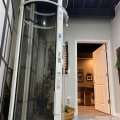
A residential elevator is a specialized lift designed for use within private homes, providing a convenient and safe means of vertical transportation.These elevators are particularly beneficial for individuals with mobility challenges, as well as for families looking to enhance their home's accessibility and value.
Types of Residential Elevators
- Hydraulic Elevators: These elevators use a hydraulic system to lift and lower the cab. They are known for their smooth operation and are ideal for homes with multiple floors.
- Traction Elevators: Utilizing a system of pulleys and cables, traction elevators are energy-efficient and can travel at higher speeds. They are suitable for larger homes or those with more than three stories.
- Pneumatic Elevators: These elevators operate using air pressure and are often more compact, making them a great choice for smaller spaces. They require less construction work compared to traditional elevators.
- Platform Lifts: Designed primarily for accessibility, platform lifts are ideal for wheelchair users.
They can be installed indoors or outdoors and provide a straightforward solution for navigating short distances.
Residential Elevator Features
Modern residential elevators come equipped with a variety of features that enhance usability and safety:- Automatic Doors: Many residential elevators feature automatic doors that open and close with the push of a button, ensuring ease of access.
- Safety Sensors: These sensors prevent the elevator from moving if an obstruction is detected, providing peace of mind for users.
- Customizable Interiors: Homeowners can choose from various materials, colors, and finishes to match their home’s decor.
- Emergency Features: Most residential elevators include backup power systems and emergency communication devices to ensure safety during power outages.
The Importance of Warranties in Residential Elevator Installations
When investing in residential elevator services, understanding the importance of warranties cannot be overstated. A warranty serves as a safety net for homeowners, ensuring that their investment is protected against unforeseen issues that may arise after installation.Financial Protection
One of the primary reasons why warranties matter for elevators is the financial protection they offer. Elevators are complex systems that can incur significant repair costs if something goes wrong.
A comprehensive warranty can cover parts and labor, saving homeowners from unexpected expenses. This financial cushion is especially crucial for those who may not have budgeted for potential repairs.
Safety Assurance
Another critical aspect of warranties is the safety assurance they provide. Elevators are essential for accessibility, and any malfunction can pose serious risks to users. A warranty often includes regular maintenance checks, ensuring that the elevator operates safely and efficiently.
This proactive approach not only enhances user safety but also prolongs the lifespan of the elevator.
Benefits of Elevator Warranties
- Peace of Mind: Knowing that your elevator is covered by a warranty allows homeowners to enjoy their investment without constant worry about potential issues.
- Increased Property Value: A home equipped with a well-maintained elevator backed by a warranty can be more attractive to potential buyers, enhancing overall property value.
- Expert Support: Many warranties come with access to expert technicians who can provide guidance and support, ensuring that any problems are addressed promptly and effectively.
Types of Warranties Offered with Residential Elevators
When considering residential elevator services, understanding the types of warranties available is crucial for ensuring peace of mind and long-term satisfaction. Warranties can vary significantly based on the manufacturer and the service provider, so it’s essential to know what each type entails.Manufacturer Warranty
A manufacturer warranty typically covers defects in materials and workmanship for a specified period, often ranging from one to five years. This warranty ensures that if any parts fail due to manufacturing issues, they will be repaired or replaced at no cost to the homeowner.It’s important to read the fine print, as some warranties may only cover specific components, such as the motor or control system.
Service Warranty
A service warranty, sometimes referred to as a maintenance agreement, is offered by the installation company. This warranty usually covers regular maintenance checks and repairs for a set duration, often one year. It ensures that your elevator remains in optimal working condition and can help prevent costly repairs down the line. Homeowners should inquire about what services are included, such as inspections, emergency repairs, and parts replacement.Extended Warranty
For those looking for additional coverage beyond the standard manufacturer and service warranties, an extended warranty may be an option.This type of warranty can provide coverage for several years after the initial warranties expire. Extended warranties can be beneficial for homeowners who want to safeguard their investment against unexpected breakdowns or repairs.In summary, when exploring residential elevator services, it’s vital to understand the different types of warranties available. A combination of manufacturer, service, and possibly extended warranties can provide comprehensive protection for your residential elevator system.
What Do Warranties Typically Cover?
When investing in residential elevator services, understanding the warranty coverage is crucial for homeowners. Warranties can vary significantly between manufacturers and service providers, but there are common areas that most warranties typically cover.Common Coverage Areas
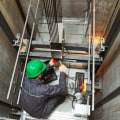
- Mechanical Components: Most warranties cover essential mechanical parts such as the motor, drive system, and pulleys.
These components are vital for the elevator's operation and can be costly to repair or replace.
- Electrical Systems: Warranties often include coverage for electrical components, including wiring, control panels, and safety systems. This ensures that any electrical failures are addressed without additional costs to the homeowner.
- Hydraulic Systems: For hydraulic elevators, warranties typically cover the hydraulic pump and cylinder. These systems are critical for smooth operation and can incur significant repair expenses if they fail.
- Labor Costs: Many warranties also include labor costs associated with repairs. This can save homeowners from unexpected expenses when servicing their elevators.
What is Not Covered?
While warranties provide valuable protection, it’s important to note what is usually excluded:- Negligence or Misuse: Damage resulting from improper use or lack of maintenance is typically not covered.
- Cosmetic Issues: Warranties generally do not cover cosmetic damages such as scratches or dents that do not affect functionality.
- Acts of Nature: Damage caused by natural disasters or extreme weather conditions is often excluded from warranty coverage.
Always review the warranty details provided by your installer to ensure you know what is covered and what isn’t, allowing you to enjoy peace of mind with your new elevator installation.
What Is Not Covered by Residential Elevator Warranties?
When considering residential elevator services, it is crucial to understand the limitations and exclusions that may apply to warranties. While warranties can provide peace of mind, they often come with specific conditions that are not covered.Common Exclusions in Elevator Warranties
- Normal Wear and Tear: Most warranties do not cover damage resulting from regular use over time. Components such as cables, pulleys, and other mechanical parts may degrade naturally and are typically excluded.
- Improper Installation: If the elevator is not installed according to the manufacturer’s specifications, any resulting issues may void the warranty. It is essential to use certified professionals for installation.
- Environmental Factors: Damage caused by environmental conditions, such as flooding, earthquakes, or extreme weather, is usually not covered.
Homeowners should consider these factors when installing an elevator.
- Neglect and Misuse: Any damage resulting from neglect or improper use of the elevator will likely be excluded from warranty coverage. This includes overloading the elevator beyond its weight capacity.
- Modifications: Making unauthorized modifications or repairs can void the warranty. Always consult with your service provider before making changes to your elevator system.
Limitations of Elevator Warranties
In addition to exclusions, warranties may also have limitations on coverage duration and specific parts. For instance, while some components may be covered for a longer period, others might only be guaranteed for a year or two.It’s important to read the warranty documentation carefully to understand these terms. By being aware of what is not covered by residential elevator warranties, homeowners can make informed decisions and avoid potential disputes with service providers in the future. Always ask questions and clarify any uncertainties before finalizing your residential elevator services.
How to Choose a Reliable Residential Elevator Service Provider
Choosing a reliable residential elevator service provider is essential for ensuring a smooth installation process and adherence to warranty terms. Here are some key factors to consider when selecting the right company:- Experience and Expertise: Look for a provider with extensive experience in residential elevator installations. A company that has been in the industry for several years is likely to have the necessary skills and knowledge to handle various installation challenges.
- Reputation: Research the company’s reputation by reading customer reviews and testimonials.
A reliable provider will have positive feedback from previous clients, indicating their commitment to quality service.
- Licensing and Insurance: Ensure that the elevator service provider is properly licensed and insured. This protects you from potential liabilities during the installation process and guarantees that the company adheres to local regulations.
- Warranty Options: Inquire about the warranties offered on both the elevator system and the installation service. A trustworthy provider should offer comprehensive warranties that cover parts and labor, giving you peace of mind.
- Customer Support: Evaluate the level of customer support provided by the company. A reliable service provider should be responsive to inquiries and offer ongoing support after installation.
- Customization Options: Consider whether the provider offers customizable solutions tailored to your specific needs.
A good company will work with you to design an elevator system that fits your home’s layout and your personal preferences.
Frequently Asked Questions About Residential Elevator Warranties
When considering residential elevator services, understanding the warranty options available is crucial for homeowners. Here are some frequently asked questions regarding warranties for residential elevators:- What does a typical residential elevator warranty cover?
A standard warranty often includes coverage for parts and labor for a specified period, usually ranging from one to five years. This may also encompass the elevator's mechanical components, electrical systems, and safety features. - Are there different types of warranties?
Yes, there are generally two types of warranties: limited warranties, which cover specific parts or issues, and full warranties, which provide broader coverage.It's essential to read the warranty details to understand what is included.
- Can I purchase an extended warranty?
Many manufacturers offer extended warranty options that can provide additional coverage beyond the standard period. This can be beneficial for homeowners looking for long-term peace of mind. - What should I do if my elevator needs repairs after the warranty expires?
If your elevator requires repairs after the warranty period, you will typically be responsible for all costs. However, some companies offer maintenance plans that can help mitigate these expenses. - Are there any exclusions in the warranty?
Most warranties have exclusions, such as damage caused by misuse, natural disasters, or unauthorized modifications. Always review the warranty terms to avoid surprises.
If you have further questions or specific concerns, it's advisable to consult with your elevator service provider for detailed information tailored to your situation.
Conclusion: Key Takeaways on Warranties for Residential Elevators
In conclusion, understanding the warranties associated with residential elevator services is crucial for homeowners considering installation. These warranties not only provide peace of mind but also protect your investment in a significant home improvement. Here are the key takeaways regarding warranties for residential elevators:- Types of Warranties: Most residential elevator installations come with two main types of warranties: manufacturer's warranty and installation warranty. The manufacturer's warranty typically covers defects in materials and workmanship, while the installation warranty ensures that the elevator was installed correctly.
- Duration of Coverage: Warranties can vary significantly in duration. It's common to see warranties ranging from one year to several years, depending on the manufacturer and the specific components of the elevator system.
- What’s Covered: Be sure to review what is covered under each warranty.
Commonly covered items include mechanical parts, electrical components, and sometimes even labor costs for repairs. However, exclusions often apply, such as damage due to misuse or lack of maintenance.
- Importance of Maintenance: Regular maintenance is often a requirement to keep warranties valid. Homeowners should be aware that neglecting routine checks can void warranty coverage.
- Documentation: Always keep detailed records of your purchase and any maintenance performed. This documentation can be essential if you need to make a warranty claim.