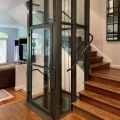
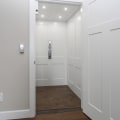
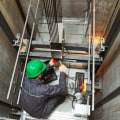
As homeowners increasingly seek to enhance their living spaces, residential elevator services have gained popularity for their convenience and accessibility. However, one critical aspect that often goes overlooked during the planning and installation phases is the potential for noise concerns. Elevators, while functional, can introduce a range of sounds that may disrupt the tranquility of a home environment. Understanding these noise factors is essential for homeowners considering an elevator installation. The noise generated by an elevator can stem from various sources, including the mechanical components, the movement of the cab, and even the vibrations transmitted through the building structure.
These sounds can vary significantly based on the type of elevator system chosen, as well as the quality of installation. For instance, traditional cable-driven elevators may produce more noise compared to hydraulic systems. Therefore, it is crucial to evaluate these differences when selecting residential elevator services.Moreover, addressing elevator installation noise is not just about choosing the right system; it also involves implementing effective soundproofing measures. Homeowners can explore options such as acoustic insulation and vibration-dampening materials to minimize sound transmission.
By proactively considering these factors during the installation process, homeowners can ensure that their new elevators enhance their living experience without compromising peace and quiet.
Understanding Residential Elevators
A residential elevator is a specialized lift designed for use in private homes, providing convenience and accessibility for individuals with mobility challenges or for transporting heavy items between floors. These elevators are not only functional but can also enhance the aesthetic appeal of a home.There are several types of residential elevators, each catering to different needs and preferences:- Hydraulic Elevators: These elevators use a hydraulic system to lift and lower the cab. They are known for their smooth operation and can accommodate heavier loads, making them ideal for multi-story homes.
- Traction Elevators: Utilizing a system of pulleys and cables, traction elevators are energy-efficient and provide faster travel speeds. They are often preferred in larger homes due to their compact design.
- Pneumatic Elevators: These elevators operate using air pressure and are typically smaller in size.
They are easy to install and require less maintenance, making them a popular choice for homeowners looking for a simple solution.
- Platform Lifts: Designed primarily for accessibility, platform lifts are ideal for homes with limited space. They can be installed indoors or outdoors and provide a safe way to navigate between levels.
Homeowners should consult with professional elevator service providers to assess soundproofing options and ensure that the installation meets their noise tolerance levels.
Common Noise Issues Associated with Residential Elevators
When considering residential elevator services, one of the primary concerns for homeowners is the potential for noise. Understanding the common noise issues associated with residential elevators can help mitigate any disturbances and enhance the overall experience.Mechanical Sounds
One of the most prevalent sources of noise in residential elevators comes from mechanical components. These sounds can include:- Motor Noise: The elevator motor can produce a humming or buzzing sound during operation, especially when starting or stopping.
- Gear and Pulley Sounds: As the elevator moves, gears and pulleys may create grinding or clanking noises, particularly if they are not properly lubricated.
- Door Mechanism Noises: The opening and closing of elevator doors can generate a range of sounds, from soft clicks to louder thuds, depending on the design and installation quality.
Vibrations
Vibrations are another common issue that can lead to noise problems. These vibrations can travel through the building structure, causing:- Resonance: Vibrations may resonate through walls and floors, amplifying sounds in adjacent rooms.
- Loose Fixtures: If fixtures or fittings are not securely installed, they may rattle or vibrate during elevator operation, contributing to unwanted noise.
Operational Noises
The operational phase of a residential elevator can also introduce various sounds.Homeowners might notice:
- Beeping Alerts: Many elevators have audible alerts for door operations or when arriving at a floor, which can be disruptive if not managed properly.
- Emergency Signals: In case of malfunction, emergency alarms can be quite loud and alarming, necessitating proper maintenance to avoid false alarms.
Factors Influencing Noise Levels in Residential Elevators
When considering residential elevator services, understanding the factors that influence noise levels is crucial for homeowners. Several elements can contribute to the overall sound produced by an elevator, and addressing these can lead to a quieter, more comfortable experience.- Installation Location: The placement of the elevator within the home can significantly affect noise levels. Elevators installed near living areas or bedrooms may transmit more sound than those located in less frequented spaces, such as basements or utility rooms.
- Materials Used: The choice of materials during installation plays a vital role in sound insulation.
High-quality, sound-dampening materials can minimize vibrations and reduce noise transmission. For instance, using thicker walls or specialized acoustic panels can help absorb sound.
- Design Choices: The design of the elevator itself can impact noise levels. Elevators with hydraulic systems tend to be quieter than those with cable-driven mechanisms. Additionally, modern designs often incorporate features that reduce operational noise, such as smoother ride technology and advanced motor systems.
- Maintenance: Regular maintenance is essential for keeping noise levels in check.
Well-maintained elevators operate more smoothly and quietly than those that are neglected. Routine checks on components like pulleys, cables, and motors can prevent excessive noise caused by wear and tear.
Noise Mitigation Strategies for Residential Elevators
When considering residential elevator services, noise can be a significant concern for homeowners. Fortunately, there are several effective strategies to mitigate sound during and after the installation of a residential elevator.- Choose the Right Elevator Type: Opt for elevators designed with noise reduction in mind.
Hydraulic elevators tend to be quieter than traction elevators, making them a suitable choice for residential settings.
- Soundproofing Materials: Incorporate soundproofing materials in the elevator shaft and surrounding areas. Acoustic panels, soundproof drywall, and insulation can significantly reduce noise transmission.
- Vibration Dampening: Install vibration dampening pads under the elevator machinery. These pads absorb vibrations that can lead to noise, ensuring a quieter operation.
- Regular Maintenance: Schedule regular maintenance checks to ensure all components are functioning correctly. Worn-out parts can create additional noise, so keeping everything in good condition is essential.
- Location Matters: Position the elevator away from bedrooms or living areas to minimize disturbance.
The placement of the elevator shaft can greatly influence noise levels.
- Consult Professionals: Work with experienced contractors who specialize in residential elevator services. They can provide insights on best practices for noise reduction tailored to your specific home layout.
- Test Before Finalizing: If possible, test the elevator's operation before finalizing the installation. This allows you to assess noise levels and make adjustments if necessary.
The Role of Professional Installation in Noise Management
When considering residential elevator services, one of the most critical factors to address is noise management during and after installation. The role of professional installation cannot be overstated, as it directly impacts the overall performance and sound levels of the elevator system.Benefits of Expert Installation
- Precision Engineering: Professionals bring a wealth of experience and technical knowledge, ensuring that all components are installed correctly.
This precision minimizes vibrations and operational noise.
- Quality Materials: Expert installers often use high-quality materials that are designed to absorb sound, further reducing noise levels during operation.
- Customized Solutions: A professional can assess your specific home environment and recommend tailored solutions that address potential noise issues, such as soundproofing techniques or specialized elevator designs.
Long-Term Benefits
- Reduced Maintenance Costs: Proper installation can lead to fewer mechanical issues over time, which means less noise from wear and tear on components.
- Increased Property Value: A well-installed elevator that operates quietly can enhance the appeal of your home, making it more attractive to potential buyers.
Frequently Asked Questions About Noise and Residential Elevators
When considering residential elevator services, many homeowners have questions regarding noise levels associated with installation and operation. Here are some frequently asked questions that can help clarify these concerns:- How loud are residential elevators? Most modern residential elevators are designed to operate quietly.
The noise level typically ranges from 40 to 60 decibels, which is comparable to a normal conversation or background music.
- What factors influence elevator noise? Several factors can affect the noise level of a residential elevator, including the type of drive system (hydraulic, traction, or pneumatic), the materials used in construction, and the installation quality. Hydraulic elevators tend to be quieter than older models.
- Can I reduce noise from my elevator? Yes, there are several ways to minimize noise. Proper installation is crucial; ensure that the elevator is installed by experienced professionals. Additionally, soundproofing materials can be added to the shaft and surrounding areas to further dampen sound.
- Are there any specific noise concerns during installation? During installation, some noise is inevitable due to construction activities.
However, reputable residential elevator services will strive to minimize disruption and complete the work efficiently.
- Will my neighbors be disturbed by elevator noise? If installed correctly, a residential elevator should not disturb neighbors. The sound insulation in modern designs helps contain noise within the home.
Conclusion: Key Takeaways on Noise Concerns with Residential Elevators
In conclusion, addressing noise concerns associated with residential elevator installations is crucial for ensuring a comfortable living environment. Throughout this article, we have explored various factors that contribute to noise levels, including the type of elevator system, installation quality, and maintenance practices. Here are the key takeaways regarding noise concerns:- Type of Elevator: Different elevator systems, such as hydraulic and traction elevators, produce varying noise levels. Hydraulic elevators tend to be quieter than their traction counterparts, making them a popular choice for residential settings.
- Installation Quality: Proper installation by experienced professionals can significantly reduce noise.
Ensuring that all components are correctly aligned and secured minimizes vibrations and operational sounds.
- Soundproofing Measures: Implementing soundproofing techniques during installation can further mitigate noise. This may include using acoustic panels or specialized flooring materials that absorb sound.
- Regular Maintenance: Routine maintenance is essential for keeping elevators operating smoothly and quietly. Neglecting maintenance can lead to increased noise due to wear and tear on components.
Ultimately, addressing these issues upfront will lead to a more satisfactory experience for residents and their guests.