Residential elevators are becoming increasingly popular among homeowners who want to improve accessibility, accommodate aging in place, increase convenience, or enhance the long-term functionality of their homes. While many people view residential elevators as a single installation project, the reality is far more complex. Installing an elevator affects numerous components of a home, including structural systems, electrical infrastructure, floor layouts, and safety requirements. Because of these interconnected factors, successful residential elevator planning often requires collaboration among multiple home service professionals. This team-based approach helps ensure that the elevator integrates properly with the home's design while supporting long-term performance, safety, and usability.
Structural Considerations Require Specialized Expertise
One of the primary reasons multiple professionals are involved in elevator planning is the structural impact of the installation. Residential elevators require dedicated space, support systems, and structural modifications that vary depending on the home's design. Engineers, architects, and contractors may need to evaluate load-bearing walls, floor systems, and framing requirements before installation can proceed. In some cases, modifications are necessary to accommodate the elevator shaft or support equipment. These structural considerations must be addressed carefully to ensure the elevator operates safely and does not compromise the integrity of the home.
Electrical and Mechanical System Integration
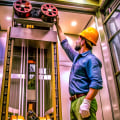
Residential elevators rely on electrical and mechanical systems that must be integrated into the home's existing infrastructure. Electricians often play a key role in ensuring adequate power supply, proper wiring, and compliance with applicable safety standards. Depending on the type of elevator being installed, additional mechanical components may require specialized attention as well. Coordinating these systems during the planning phase helps avoid costly modifications later and ensures that the elevator functions efficiently once installed. Collaboration among professionals allows potential challenges to be identified and resolved before construction begins.
Coordinating With Remodeling and Renovation Projects
Many homeowners choose to install residential elevators during larger remodeling or renovation projects. This timing often makes the process more efficient because contractors already have access to walls, floors, and utility systems. Elevator planning may need to be coordinated with kitchen renovations, bathroom upgrades, room additions, or accessibility improvements occurring elsewhere in the home. For example, a homeowner working with a kitchen remodeler in Brownsburg IN may also explore how elevator installation affects adjacent living spaces, traffic flow, and overall home functionality. Coordinating these projects helps ensure that all improvements work together seamlessly and contribute to a cohesive design.
Supporting Accessibility and Long-Term Living Goals
Residential elevators are often installed as part of a broader strategy to improve accessibility and support long-term living arrangements. Accessibility specialists, designers, and contractors frequently collaborate to evaluate door widths, hallway clearances, floor transitions, and other features that influence mobility throughout the home. By working together, these professionals help create environments that are both functional and comfortable for current and future occupants. Elevator planning becomes more effective when it is integrated into a larger accessibility strategy rather than treated as an isolated project.
Ensuring Compliance With Safety Requirements
Safety is another important reason why residential elevator projects require input from multiple professionals. Building codes, electrical standards, structural requirements, and elevator-specific regulations all influence the installation process. Contractors, inspectors, engineers, and elevator specialists must coordinate their efforts to ensure that every aspect of the project meets applicable standards. Proper planning helps reduce the risk of delays, costly revisions, and future operational concerns.
A Collaborative Approach Leads to Better Results
Ultimately, residential elevator planning is far more than a simple equipment installation. It involves structural modifications, electrical integration, accessibility considerations, design coordination, and safety compliance. Because these factors affect multiple areas of the home, collaboration among various home service professionals is essential for achieving successful results. By bringing together the expertise of contractors, engineers, electricians, designers, and other specialists, homeowners can create elevator solutions that enhance convenience, improve accessibility, and support the long-term functionality of their homes for years to come.