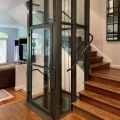
As more homeowners choose to remain in their homes for decades, residential elevators have become an increasingly practical feature rather than a luxury addition. They provide improved accessibility, greater convenience, and long-term value, especially in multi-story homes designed for aging in place or accommodating family members with mobility challenges. However, installing a residential elevator involves much more than selecting a cab style or deciding on finishes. Every elevator system interacts directly with the home's structural framework, requiring thoughtful planning to ensure it performs safely while preserving the integrity of the building over time. A well-planned installation helps prevent unnecessary stress on floors, walls, and supporting elements, allowing the home to remain stable and functional for years to come.
Structural Planning Supports Safe Elevator Installation
Residential elevator services begin with evaluating the available space and determining how the elevator shaft, machinery, and support systems will fit within the existing layout. In new construction, these considerations can be incorporated into the original building plans. In existing homes, however, retrofitting an elevator often requires modifications to framing, floor openings, and load-bearing components. Without careful planning, these changes may unintentionally weaken structural performance or create challenges that become costly to correct later. Professional coordination between elevator specialists and construction professionals ensures that every modification respects the home's original design while supporting the additional loads created by the elevator system. Companies such as Open Concept Engineering demonstrate the importance of integrating structural expertise into renovation projects where safety, efficiency, and long-term durability are priorities.
Long-Term Stability Depends on Quality Installation
An elevator is a moving mechanical system that generates repeated forces each time it operates. While these forces are generally well within design limits when installed correctly, poor workmanship or inadequate structural preparation can contribute to gradual issues over time. Floor deflection, wall movement, vibration, or uneven settling may become more noticeable if supporting elements were not properly reinforced during installation. Residential elevator services that include thorough inspections, precise measurements, and proper installation techniques help minimize these risks. By ensuring that guide rails, support brackets, and machinery are securely anchored to appropriate structural members, homeowners can enjoy reliable elevator performance without compromising the stability of the surrounding structure.
Planning for Future Home Performance
One of the greatest benefits of installing a residential elevator is the ability to future-proof a home. Families can continue using upper floors comfortably regardless of changing mobility needs, making the property more adaptable throughout different stages of life. At the same time, thoughtful structural planning helps protect the home's long-term value by avoiding shortcuts that may lead to maintenance concerns later. Properly integrated elevator systems are less likely to require repeated structural repairs because the supporting framework was designed or reinforced to accommodate ongoing use. Homeowners also benefit from smoother operation, reduced vibration, and fewer service interruptions when the structural foundation supporting the elevator remains stable.
A Balanced Approach to Accessibility and Structural Integrity
Residential elevator services contribute significantly to comfort, convenience, and property value, but their success depends on more than the equipment itself. Every installation becomes part of the home's structural system, making careful planning an essential component of the project. By considering load distribution, framing modifications, and long-term building performance from the beginning, homeowners can enjoy improved accessibility while maintaining confidence in the strength and stability of their property. Combining quality elevator installation with sound structural planning creates a balanced solution that supports both everyday living and the long-term durability of the home.