Adding, upgrading, or maintaining a residential elevator in a home that has previously undergone foundation repair requires careful planning. Elevators depend on precise alignment, stable support, and properly constructed shafts or hoistways. Even when foundation repairs have successfully stabilized the home, previous movement may have affected floors, walls, framing, or other structural components. Before elevator installation or major service work begins, homeowners should review the history of the property and determine whether any areas surrounding the planned elevator location require additional evaluation.
Review Previous Foundation Repairs
Understanding what type of foundation work was completed can help elevator contractors make better decisions during planning. Previous repairs may have involved piers, underpinning, beam reinforcement, drainage improvements, or other stabilization methods. These components may be located near the elevator shaft or beneath areas where equipment will be installed. Homeowners may benefit from consulting professionals such as Bats Foundation Repair Austin to better understand repaired areas and identify any structural considerations that should be communicated to the elevator contractor before work begins.
Check Elevator Shaft and Floor Alignment
Residential elevators require accurate vertical and horizontal alignment to operate smoothly. If a home experienced foundation settlement in the past, walls or floor levels may have shifted slightly. Contractors should check shaft dimensions, landing elevations, door openings, and surrounding framing to make sure everything meets the elevator manufacturer’s requirements. Existing elevators should also be inspected for changes in door alignment, guide rail positioning, or floor leveling. Small alignment issues can affect performance and may need adjustment before they lead to more noticeable operating problems.
Consider Structural Loads
An elevator adds weight through its cab, equipment, rails, passengers, and supporting components. The structure must be able to carry these loads safely. In homes with a history of foundation problems, a structural review may be especially useful before installing a new system. Contractors and engineers can evaluate whether existing framing, slabs, footings, or repaired foundation areas need reinforcement. Planning these details early can reduce the need for unexpected structural changes once installation is underway.
Monitor Doors and Landings
Elevator doors and landing entrances can reveal changes in structural alignment. Doors that begin rubbing, hesitating, or failing to close correctly may indicate a mechanical problem, but they can also signal movement in the surrounding structure. Homeowners should also watch for cracks, gaps, or uneven flooring near elevator landings. These symptoms do not automatically mean that foundation problems have returned, but documenting them can help elevator technicians and structural professionals determine whether further evaluation is necessary.
Manage Moisture and Drainage
Moisture control is important for both the foundation and elevator equipment. Poor drainage, plumbing leaks, or water intrusion near the elevator pit can affect structural materials and electrical components. Homes with previous foundation repairs may already have drainage improvements in place, and elevator construction should avoid disturbing them. Any signs of standing water or unusual moisture should be addressed promptly.
Schedule Routine Residential Elevator Service
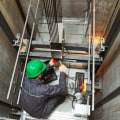
Preventive maintenance helps keep a residential elevator dependable over time. Technicians can inspect doors, controls, guide systems, safety devices, electrical components, and other equipment while checking for unusual wear. Keeping detailed maintenance records can also make it easier to recognize changes in performance.
Coordinate for Long-Term Reliability
Residential elevator services are most effective when mechanical maintenance and structural conditions are considered together. By reviewing previous foundation work, confirming alignment, monitoring landings, controlling moisture, and scheduling regular service, homeowners can reduce the risk of avoidable problems. Careful coordination between elevator professionals, contractors, and foundation specialists can help support smoother operation and more reliable long-term performance.